The non-invasive Brazilian Bum Lift at Javaani is a safe and effective way to reduce fatty deposits and cellulite while tightening and shaping the buttocks.
What causes sagging of bum
Genetics
Gluteal muscle atrophy due to lack of exercise.
Excess body fat: Fat tissue is not dense, and because it forms between the muscles in the butt and the external layer of skin, it promotes a saggy butt.
Change in pelvis angulation after child birth
Many women are able to resolve their sagging butt by making lifestyle changes. However, sometimes diet and exercise aren’t enough, and the only way to achieve ideal curves is through various bum loft procedures. These procedures and surgical and non-surgical.
At Javaani, we offer non-surgical procedure to improve the shape of bum. We use Tri-Polar radio frequencies in combination with suction and Ultrasound cavitation which effortlessly penetrate layers of subcutaneous fat, contouring your buttocks, while tightening the skin and reducing cellulite.
The procedure is relaxing and painless, and unlike surgery, the treatment requires no downtime; you can even do it on your lunch break!
Benefits of the Brazilian Bum Lift Procedure
Zero discomfort
Tightens the skin
Reduces cellulite
Reduces stretch marks
Contours the buttocks
Improves shape of thighs
Treats fatty deposits
Instant results
Safe and affordable
FAQs
Q-Side effects of the procedure?
A- Minor risk of bruising or swelling which settles in a few days
Q- How many treatments are requires?
A- It depends on age, amount of fat and desired results. Usually we suggest 3-5 treatments, 1 to 2 weeks apart.
Q- How long the results last?
A- Results usually last up to 2 years
Q- Can this procedure be combined with other bum lift procedures?
A- Yes, it can be combines with bum fillers.
Q- Who is not suitable for this treatment?
A- This treatment cannot be offered to under 18, pregnant and breast feeding women.
Q- What aftercare is required after the treatment?
Dermal filler is a gel-like, volumizing substance that is injected beneath the skin to restore lost volume, smooth fine lines, and deep creases, or enhance facial contours.
How can Dermal Filler treatment enhance my appearance?
While dermal fillers are known as “wrinkle fillers,” they can do much more than just smooth out wrinkles, although they are excellent at this too! Here are a few of the common issues dermal fillers can help address:
Smooth out lines around the nose and mouth.
Enhance & restore volume to sunken cheeks.
Diminish vertical lip lines
Plump & enhance the lips
Smooth out a chin crease
Jaw contouring
Chin enhancement
Brow lifting
Full facelift and contouring
Enhancing masculinity
What are Fillers made of?
We use CE-marked premier fillers made up of Hyaluronic acid (HA). Hyaluronic acid is a naturally occurring substance that is already found in your skin. It helps keep skin plump and hydrated. HA fillers are typically soft and gel-like.
We kick things off with a consultation with Dr. Ahmad who will answer your questions, and advise you of the best possible solution(s) to help you lock and feel great.
Should you decide that you’d like us to help you, our next action is to draw up a plan of treatment. This will detail the specific treatment(s), costs, timings, and do’s & don’t.
This is where your rejuvenation starts, and when you can start looking forward to results! It doesn’t stop here though, as we provide aftercare after your last treatment.
For more information click on the following links:
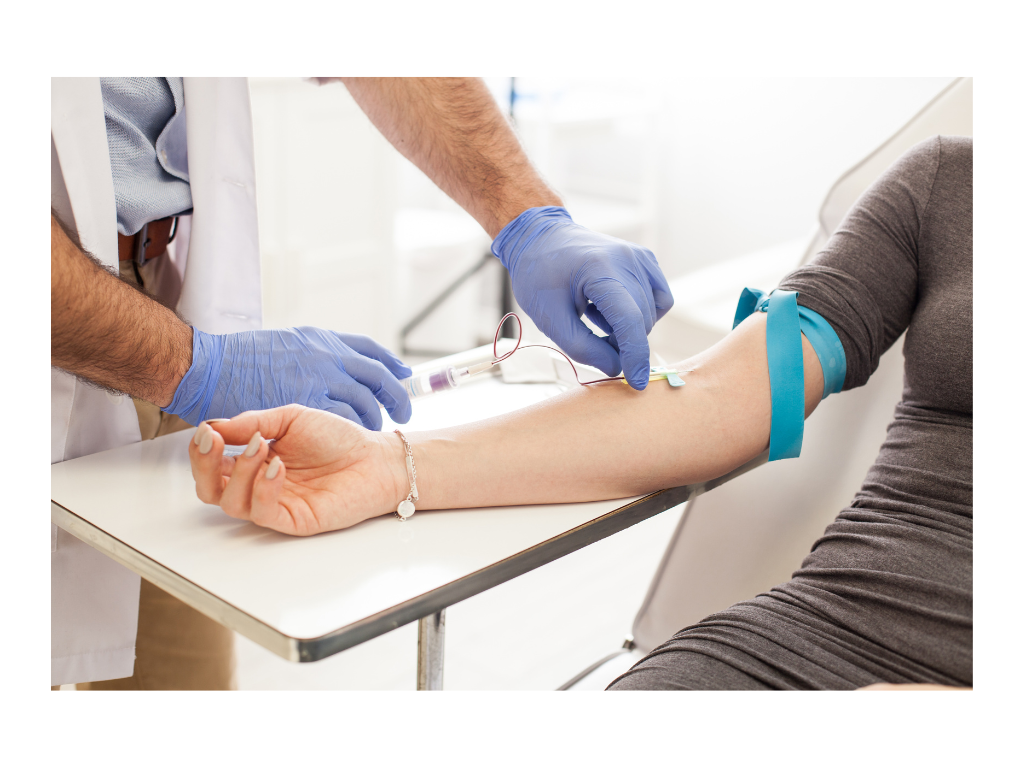
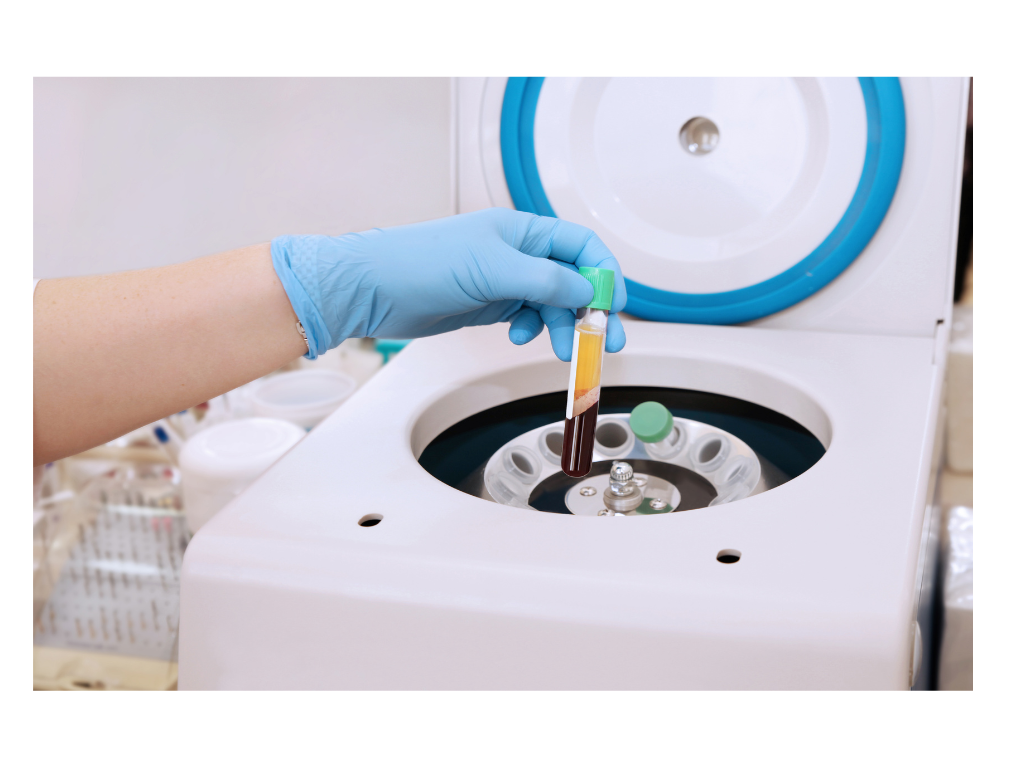
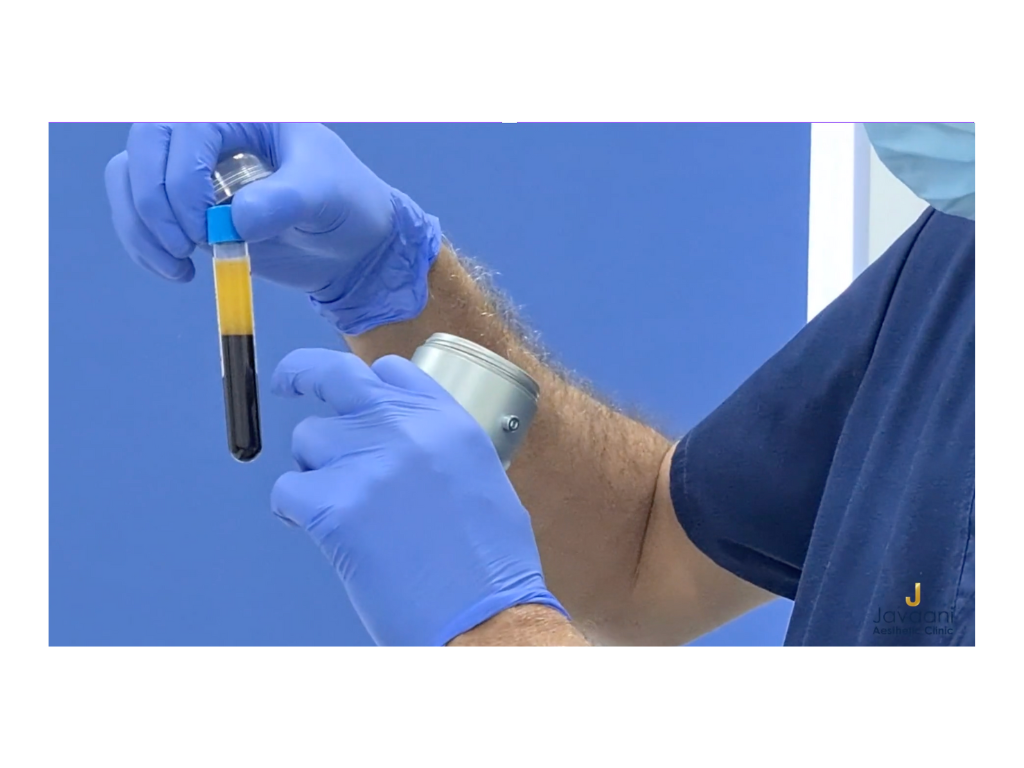
PRP is prepared from blood by centrifuging it at a high speed. This process separates plasma with high concentration of platelets from other cells in the blood. This straw coloured plasma is full of nutrients and proteins along with the platelets which are the store house of Growth Factors (GFs). These GFs from platelets and vascular endothelial GFs act on stem cells in the hair roots, stimulating growth of new hair and encouraging new blood vessel formation. PRP in general provides our body a mechanism to repair and regenerate new skin cells, cartilage, hair follicles and other body tissues.
Types of hair loss
Androgenic Alopecia
Androgenic Alopecia
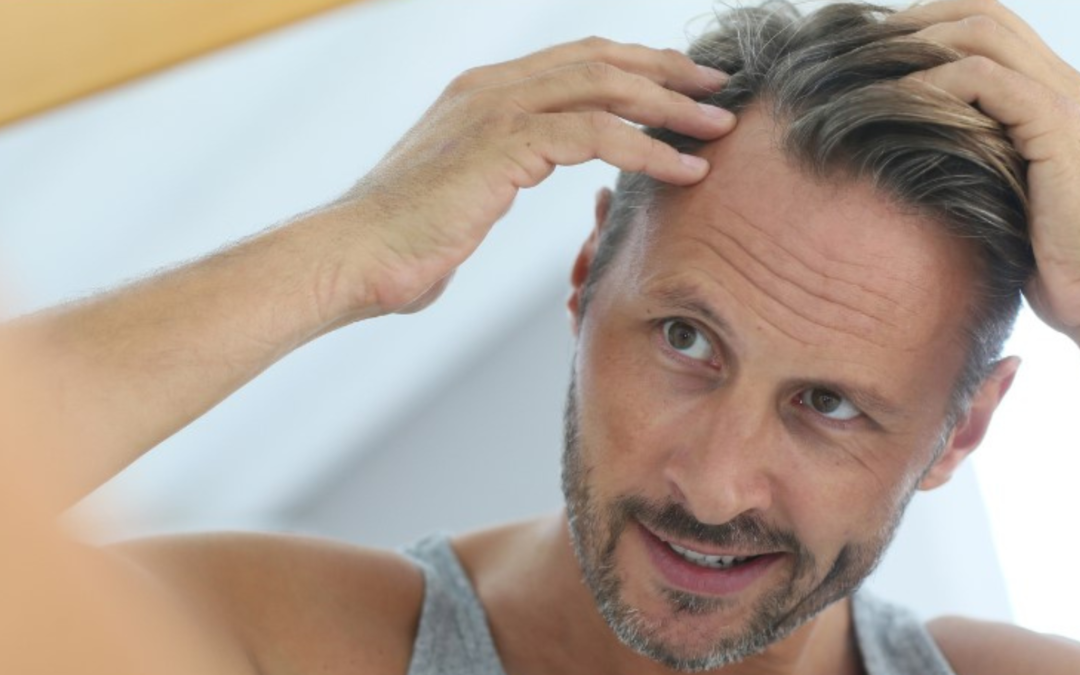
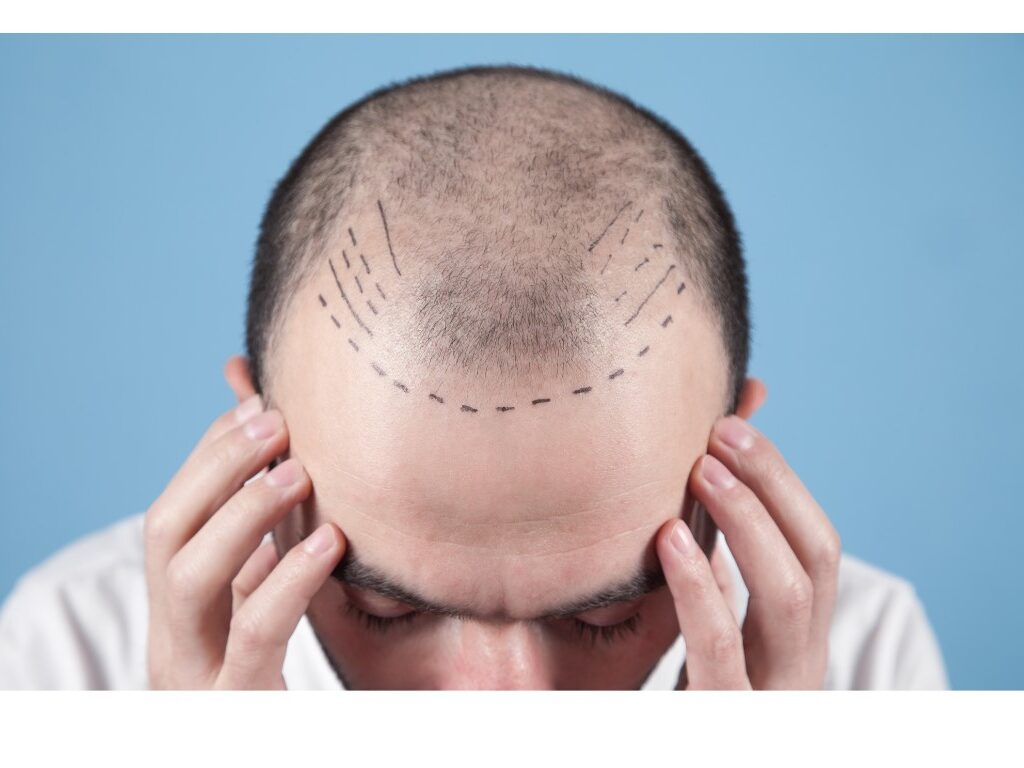
Androgenic alopecia is a genetic condition which causes chronic hair loss and affects both men and women. In men it is called male-pattern baldness, and it affects around 50% of men. In men the hairs recede in a specific pattern, moving the hairline backwards. In women there is a generalised thinning of hair all over the head.
Alopecia Areata
Alopecia Areata
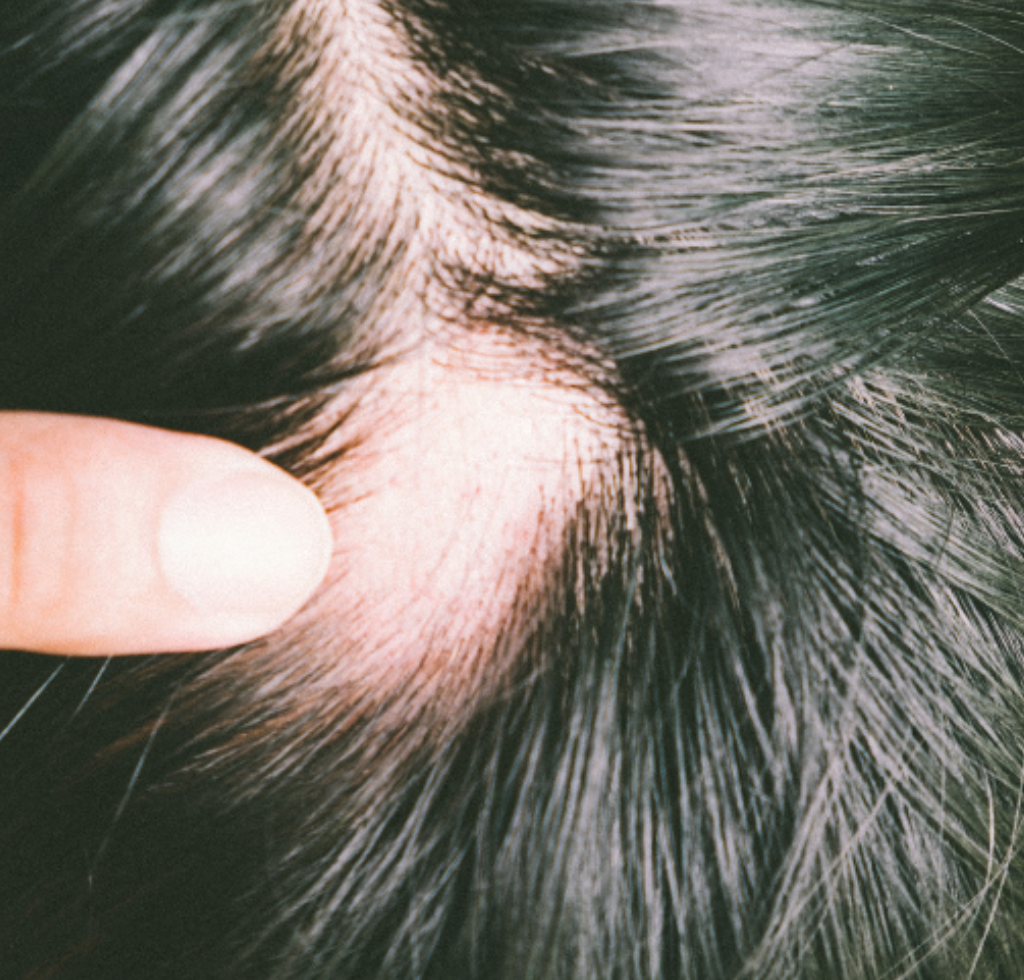
This is an autoimmune condition in which hair falls out in patches of different sizes. This condition can affect any hairy part of the body including scalp, beard, limbs or eyebrows.
Telogen Effluvium
This is a relatively common and temporary condition related to stress. The cause can be either physical or psychological. It results in excessive shedding of resting or telogen hair. Hair growth continues in different phases, however more than usual number of hairs move into resting phase and shed.
Traction Alopecia
This type of hair loss is due to physical pulling and traction on the hair due to different hair styles.
Hair loss due to illness or chemotherapy
This is transient condition and usually gets reversed after the recovery or withdrawal of the chemotherapy. We have seen significant hair loss in people who suffered with Covid infection. There is strong clinical evidence that PRP therapy can stimulate hair follicles, strengthen them, reduce follicle destruction, and stimulate natural hair re-growth. It promotes and regenerates hair growth. Moreover, it is also effective for the treatment of hair thinning.
Results of PRP treatment
The results depend upon the cause of the condition. Pre and post hair transplant it increases life and survival of grafted follicles. After illness it speeds up recovery and revival of the hair. If the cause is genetic (androgenic alopecia) usually multiple treatments are required before we see good results and maintenance treatments are required every 6 to 10 months.
Due to the difference in the pathology of various types of hair loss, the treatment and final outcome is also different. The best course of treatment can only be suggested by a Doctor after taking complete medical history and scalp/hair examination. The results start to appear after 2 to 3 months and continue to improve thereafter. At times more than one treatment modalities need to be implemented for stubborn hair loss.
PRP uses in aesthetics and medicine
Skin rejuvenation
Subcutaneous skin growth
Hair loss treatment
Treatment of burns and scars
Post corneal surgery
Musculoskeletal injuries
Pre and Post hair transplant
IVF
PRP is very successfully used in the treatment of hair loss in men and women. It helps in androgenic alopecia, alopecia due to illness, menopause and also in autoimmune condition. It is a non-surgical treatment which can be effectively combined with microneedling and other hair mesotherapy products.
Procedure
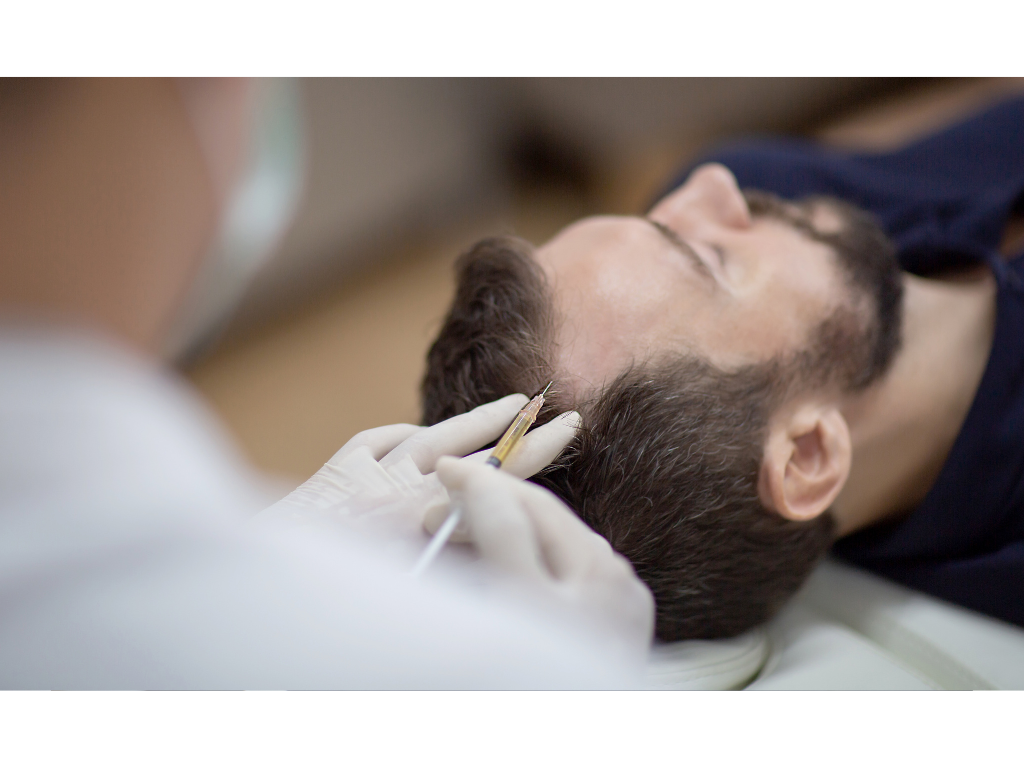
27 ml of blood is drawn in 3 tubes as it is done routinely for a blood test at the GP surgery. Tubes are then placed in a centrifuge machine which spins the blood at a very high speed. In few minutes plasma is separated from the red cells and plasma is then separated in syringes. At this stage calcium chloride is added to activate the platelets. After the activation process plasma is ready to be injected in the scalp. Injections can be done manually, with an automated injection gun or used with microneedling. For optimal results it is better to combine the three modalities in the treatment.
Treatment time is about 30 minutes.
There is no downtime after the procedure however the scalp can feel sore for a couple of hours.
Benefits of PRP treatment
It is all natural without the use of any chemicals.
PRP is a concentrated plasma that contains a high concentration of platelets and growth factors. Growth factors are essential for tissue regeneration. PRP commonly used in wound healing. This is essential for stimulating tissue regeneration, providing scaffolding for collagen synthesis, skin renewal, and cell growth. PRP will accelerate the skin’s repair process which results in a thicker dermis with softer fine lines and wrinkles, less scarring and improved skin tone. PRP has been played an essential role in sports medicine for several years prior to being introduced to aesthetic medicine. By stimulating collagen and elastin growth, the platelets can kick start the healing process. A favorite treatment for many celebrities around the world. PRP rejuvenates the skin and hair. when combined with hyaluronic acid fillers, the results would be even better.
Platelet Rich Plasma (PRP) is a non-surgical method of hair loss treatment and hair restoration for women and men. PRP contains platelets concentrated up to 5x the normal blood value. Dr Ahmad then takes the PRP, also called “liquid gold” because of its colour, and injects it throughout the scalp. No medications are required pre or post-procedure. PRP contains many growth factors that stimulate hair follicles and can be performed up to every month based on how much hair growth is required. PRP is a great solution for both men and women, especially when hair transplant surgery is not an option. PRP injections can stimulate new hair growth in men who suffer from androgenetic alopecia, otherwise known as male pattern baldness as well as women who suffer from this condition. Dr Ahmad targets the areas of the scalp where the hair is currently thinning. The procedure will take approximately 30 minutes from the time your blood is drawn until the PRP is injected into your scalp. PRP has been used for its healing properties in other areas of medicine over the years such as into joints and muscle tissues. It is also used as a cosmetic treatment for the face too, where PRP is combined with micro-needling. This has been labelled the “Vampire Facelift” because it stimulates collagen and rejuvenates the face nonsurgically. Another factor that makes PRP so popular for patients looking to restore hair is that this is a “natural” way to restore hair. Most medications used to restore hair, such as Propecia, have significant side effects in men (such as erectile dysfunction). These medications are also contraindicated in women, especially those of child-bearing age. PRP treatments can be used in tandem with hair transplantation to help accelerate hair growth. PRP treatments should be performed on average, every 4 to 6 weeks for three sessions. Most of the patients typically see new hair growth after the first 8-10 weeks. Nutritional supplements are also recommended as this can optimize the hair restoration process. Dr.Ahmad will go over a comprehensive plan with you during your initial consultation.
Types of hair loss
Androgenic Alopecia
Androgenic alopecia is a chronic and progressive genetic condition which causes hair loss and affects both men and women. In men this condition is commonly known as male-pattern baldness, and it is an extremely common disorder which affects around 50% of men. In men the hairs recede in a specific pattern, moving the hairline backwards. In women there is a generalised thinning of hair (hair loss Treatment) all over the head.
1-Alopecia Areata
This is an autoimmune condition in which hairs fall out in patches of various sizes. This condition can affect any part of the scalp, beard or eyebrows.
2-Telogen Effluvium
This condition is caused by various physical or psychological stresses. Hair growth takes place in various phases and in this condition more than usual number of hairs move into resting phase and fall.
3-Traction Alopecia
In this condition hair fall due to physical pulling and traction due to different hair styles.
4-Hair loss due to illness or chemotherapy
PRP after recovery from the main condition can stabilise and reverse hair loss. There is increasing clinical evidence that PRP therapy can stimulate hair follicles, strengthen them, reduce follicle destruction, and stimulate natural hair re-growth. It promotes and regenerates hair growth. Moreover, it is also effective for the treatment of hair thinning.
How does it work?
PRP works through stimulating the hair cells (hair follicles) by the action of natural growth factors. These growth factors are released by the specialised cells called platelets which are concentrated in PRP. This PRP is injected into the scalp which in turn increases blood flow to the treated area, strengthens hair and stimulate growth of new hairs.
Microneedling further stimulates hair follicles and works in synergy with the PRP.
Results of PRP hair loss treatment
PRP is not a cure for androgenic alopecia therefore multiple PRP therapy sessions will be needed to maintain the results.
IMPORTANT TO NOTE
Not every type of hair loss can be treated, but a doctor may be able to prevent further hair loss. It can take months before you see results from treatment. No one treatment works for everyone, even two people with the same type of hair loss. Sometimes, hair loss is stubborn and requires trying different treatments before finding one that works.
Dr. Ahmad prides itself in being able to offer some of the most revolutionary treatments for fat loss, including Ultrasound Cavitation. It allows full body contouring and reduces the circumference of the limbs and abdomen. If you are keen to lose stubborn fat quickly, then Cavitation is the ideal solution. Ultrasound cavitation aims to reduce fat by melting it without leaving any scars.
How it works?
Our cavitation technology emits ultrasonic frequencies between 1MHz to 5MHz which are extremely penetrative and predetermined. Ultrasonic waves cause the fat cells to vibrate rather than freeze them. As a result of these vibrations, the membranes of the fat cells burst, breaking down solid fat cells into liquid fat as these cells are weaker compared to the other cells. Fats are broken into fatty acids and glycerol when the fat cells are turned into liquid fat.
ultrasound cavitation
What happens during a Session?
Ultrasound gel is applied to the area, enhancing the treatment's effectiveness and reducing client discomfort. The applicator is applied and moved in roundabout movements consistently around the treatment region. One session lasts 30-40 minutes depending on the size of the area. The ultrasound applicator uses low-level frequencies that are perfectly safe for the body. Results are possibly durable, however, this might rely on the number of treatment sessions the client that goes through.
During the treatment, the client will feel a buzzing sensation when the Ultrasound applicator is placed on the skin.
Where does the fat go?
Fat cells are unsettled and broken, delivering unsaturated fats and glycerol. The glycerol is reabsorbed by the body and used as an energy source, whereas the fatty acids are treated as a waste product and removed from the body through the lymphatic system.
How many sessions are required?
You will likely need multiple sessions of Ultrasound Cavitation to achieve desired results (6 to 12 sessions).
How safe is the procedure?
This procedure is FDA approved and our 360 HD Lipo machine is CE marked.
What are possible side effects?
Cavitation is a very safe procedure with minimal side effects. These transient side effects include redness, mild swelling, tenderness and rarely bruising.
Who is the ideal candidate for this procedure?
Cavitation is not a treatment for obesity. It works best on fit and healthy people who are not more than 15% of their ideal body weight and want reduction of fat in localised body areas like abdomen, thighs, flanks or love handles.
What treatments can be combined with cavitation?
Cavitation results can be enhanced by combining it with Fat Freezing (Cryolipolysis).
Shockwave therapy can also be combined with cavitation which is particularly useful for stubborn fat collection.
Radiofrequency is very helpful assistant to fix the skin which becomes lose after cavitation.
Fat Dissolving Injections can also be combined to the above treatments.
Book a consultation with Javaani to discuss the best combination of treatments for optimal results.
Are the results permanent?
Results can be maintained over a long period if you adhere to a healthy lifestyle. Excessive calorie intake can cause the fat cells to increase in size again. At Javaani we provide a wealth of nutritional information to our clients and give you aftercare advice when you come in for a treatment. Javaani will support you every step of the way