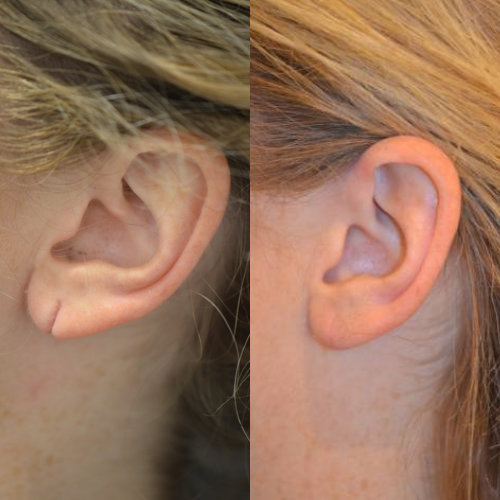
Earlobe rejuvenation with fillers is a cosmetic procedure aimed at restoring volume, shape, and elasticity to the earlobes. Over time, the earlobes can become elongated, thin, and wrinkled due to factors such as aging, wearing heavy earrings, and genetics. This non-surgical procedure involves the injection of dermal fillers into the earlobes to address these concerns and provide a more youthful appearance.
Quick and Painless:
Earlobe rejuvenation with fillers is considered a quick and virtually painless procedure. It typically requires minimal preparation and can often be completed within a matter of minutes. A topical anesthetic cream or numbing agent may be applied to the earlobes prior to the injections to ensure a comfortable experience for the patient.
Benefits of Earlobe Rejuvenation:
Restores Volume: The fillers used in the procedure can restore lost volume to the earlobes, making them appear plumper and more youthful.
Addresses Wrinkles: Fillers can smooth out wrinkles and fine lines that may have developed on the surface of the earlobes.
Improves Elasticity: The procedure can improve the elasticity of the earlobes, helping them bounce back from the effects of aging and earring use.
Enhances Earring Appearance: With rejuvenated earlobes, earrings may hang more attractively and comfortably.
Non-Surgical: Since the procedure involves injections, it is non-surgical and carries fewer risks and a shorter recovery time compared to surgical earlobe procedures.
Procedure Duration: The earlobe rejuvenation procedure is typically very swift. It can often be completed within 15 to 30 minutes, depending on the complexity of the case and the number of injections required. Patients can often return to their daily activities immediately after the procedure, as there is minimal to no downtime associated with it.
Duration of Results: The duration of the results may vary depending on the type of filler used and individual factors such as metabolism and lifestyle. Generally, the effects of the fillers can last anywhere from several months to a year. Patients interested in maintaining the results can consider scheduling touch-up sessions to extend the benefits.
Consultation: Before undergoing the procedure, it's important to have a consultation with a qualified medical professional, such as a dermatologist or a plastic surgeon. During the consultation, your concerns and goals will be discussed, and the practitioner will determine if you are a suitable candidate for the procedure.
Conclusion: Earlobe rejuvenation with fillers is a quick, virtually painless, and non-surgical procedure that can provide noticeable results in terms of restoring volume, reducing wrinkles, and improving the overall appearance of the earlobes. Consult with a medical professional to determine if this procedure is appropriate for your individual needs and expectations.
The main difference between surgical and nonsurgical procedures lies in the approach used to achieve the desired outcome. These differences can be summarized as follows:
Invasiveness:
Surgical procedures are invasive, meaning they involve making incisions into the body, tissues, or organs to access the targeted area and make changes. The surgeon physically manipulates the tissues during the procedure.
Non-surgical procedures are non-invasive or minimally invasive, which means they do not require incisions or significant tissue manipulation. Instead, they are often performed through the skin's surface using needles, injections, or external energy sources (e.g., lasers).
Anesthesia:
Surgical procedures typically require the use of general or local anesthesia to ensure the patient remains pain-free and unconscious or sedated during the operation.
Non-surgical procedures often use topical or local anesthesia or no anesthesia at all, as they are usually less painful and less traumatic to the body.
Downtime and Recovery:
Surgical procedures generally involve longer downtime and recovery periods due to the invasive nature of the surgery. Patients may need weeks or months to heal fully and resume their regular activities.
Non-surgical procedures usually have minimal to no downtime, and patients can often return to their daily activities immediately or shortly after the treatment.
Risks and Complications:
Surgical procedures carry inherent risks associated with anesthesia, wound healing, infection, scarring, and other potential complications related to the surgical process.
Non-surgical procedures have fewer inherent risks and complications due to their non-invasive or minimally invasive nature. However, they are not entirely risk-free, and potential side effects can still occur.
Results:
Surgical procedures often provide more significant and long-lasting results, especially for complex or extensive changes to the body or facial structure.
Non-surgical procedures typically offer more subtle and temporary results, requiring periodic maintenance treatments to sustain the effects.
Cost:
Surgical procedures are generally more expensive than non-surgical procedures due to the complexity, specialized equipment, and longer recovery times involved.
Non-surgical procedures tend to be more affordable since they do not require a surgical setting or general anesthesia.
Examples of surgical procedures include facelifts, breast augmentation, liposuction, and open-heart surgery. Non-surgical procedures include Botox injections, dermal fillers, laser hair removal, chemical peels, and many others.
It's crucial to consult with a qualified medical professional to determine the most appropriate treatment option based on individual needs, health conditions, and desired outcomes.
Non-surgical treatments refer to a wide range of medical and cosmetic procedures that do not require surgical incisions or significant downtime. These treatments are typically minimally invasive or non-invasive, making them more accessible, quicker, and less risky than traditional surgical procedures. Non-surgical treatments are commonly used for various medical and aesthetic purposes. Here are some of the most common non-surgical treatments:
Dermal fillers: Injectable substances, often based on hyaluronic acid, used to add volume, fill wrinkles and lines, and enhance facial features.
Botulinum toxin (Botox): Injections that temporarily relax facial muscles, reducing the appearance of wrinkles and fine lines.
Chemical peels: The application of a chemical solution to the skin to exfoliate and improve skin texture and tone.
Microdermabrasion: A non-invasive exfoliation technique to remove dead skin cells and promote skin renewal.
Laser treatments: The use of focused light energy for various purposes, such as hair removal, skin resurfacing, and treatment of pigmentation issues.
Cryolipolysis (CoolSculpting): A non-invasive fat reduction procedure that freezes and eliminates fat cells in targeted areas.
Ultrasound or radiofrequency treatments: Methods that use energy to stimulate collagen production and tighten the skin.
Platelet-rich plasma (PRP) therapy: Using a patient's own blood plasma, rich in growth factors, to promote tissue regeneration and collagen production.
Thread lifting: Dissolvable threads inserted under the skin to lift sagging facial or body tissues.
Sclerotherapy: Injection of a solution into spider or varicose veins to collapse and fade them.
Non-surgical facelifts: A combination of non-surgical procedures tailored to lift and tighten facial skin.
Injectable fat-dissolving treatments: Injections that target and dissolve unwanted fat deposits in certain areas.
Laser tattoo removal: The use of lasers to break down tattoo pigments for gradual fading and removal.
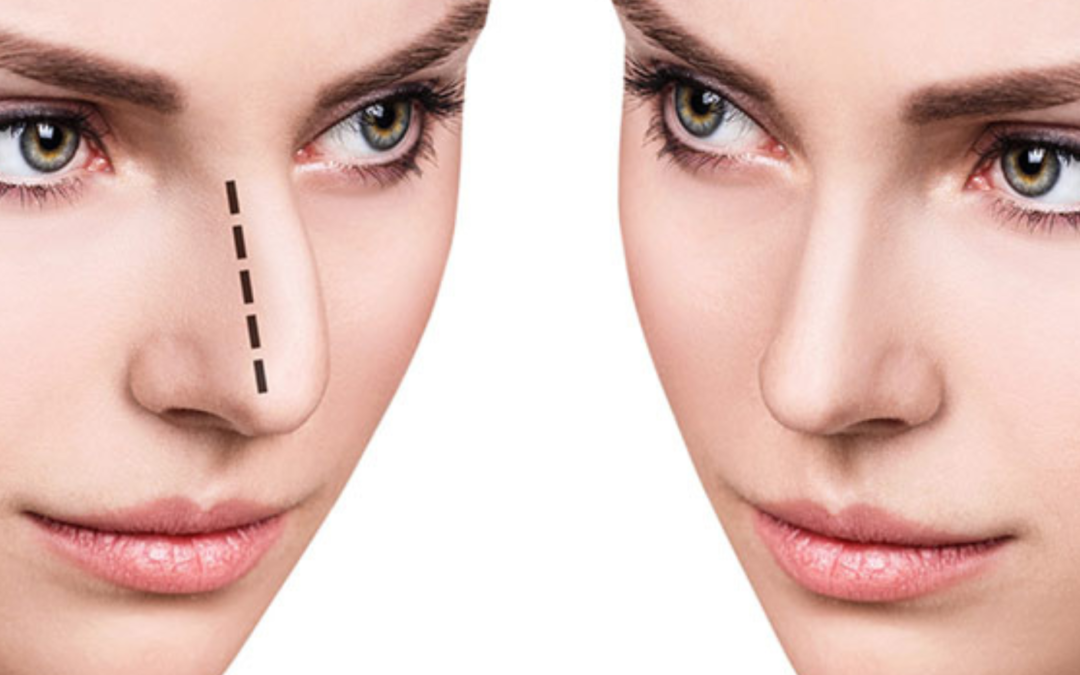
Non-surgical rhinoplasty: The use of dermal fillers to reshape and enhance the appearance of the nose.
Laser eye treatments: Various non-surgical laser procedures for vision correction, such as LASIK.
These are just some examples of the many non-surgical treatments available. It's essential to consult with a qualified medical professional to determine the most suitable treatment for your specific needs and goals, as well as to discuss potential risks and benefits.
Non-surgical facial aesthetics, also known as non-surgical facial rejuvenation or non-surgical facial treatments, refer to a set of cosmetic procedures aimed at enhancing and rejuvenating the face without the need for surgery. These procedures focus on improving the appearance of the skin, reducing the signs of aging, and enhancing facial features, all through non-invasive or minimally invasive techniques. The goal is to achieve a more youthful, balanced, and aesthetically pleasing facial appearance.
Some common non-surgical facial aesthetic treatments include:
Dermal fillers: These are injectable substances, often made from hyaluronic acid, that can add volume to areas of the face, smooth out wrinkles and lines, and enhance facial contours.
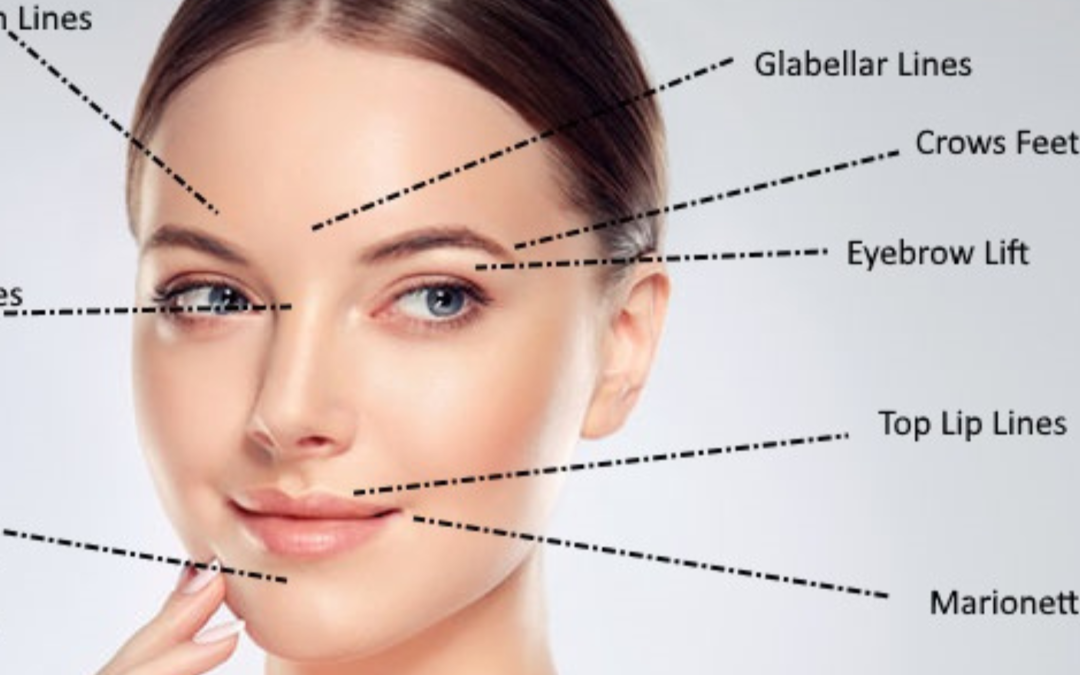
Botulinum toxin (Botox): Injections of a purified toxin to temporarily relax facial muscles, reducing the appearance of wrinkles and fine lines, particularly in the forehead, between the eyebrows (glabellar lines), and around the eyes (crow's feet).
Chemical peels: A chemical solution is applied to the skin to remove the outermost layer, promoting skin regeneration and improving skin texture and tone.
Microdermabrasion: A non-invasive exfoliation technique that removes dead skin cells and stimulates collagen production, leading to a smoother complexion.
Laser treatments: The use of laser technology to address various skin concerns, such as sunspots, pigmentation issues, acne scars, and fine lines.
Platelet-rich plasma (PRP) therapy: This involves using a patient's own blood plasma, rich in growth factors, to stimulate collagen production and improve skin texture and elasticity.
Thread lifting: Dissolvable threads are inserted under the skin to lift sagging facial tissues and promote a more youthful appearance.
Non-surgical facelifts: A combination of various non-surgical procedures tailored to lift and tighten the skin, providing a rejuvenated look without the need for surgery.
Ultrasound or radiofrequency treatments: These methods use energy to stimulate collagen production and improve skin firmness and tightness.
Non-surgical facial aesthetics have gained popularity due to their relatively quick procedures, minimal downtime, and natural-looking results. However, it's essential to seek treatment from a qualified and experienced medical professional to ensure that the procedures are performed safely and effectively, taking into consideration the individual's facial anatomy and specific aesthetic goals.
Non-surgical aesthetics, also known as non-invasive aesthetics or minimally invasive aesthetics, refers to a range of cosmetic procedures that aim to enhance one's appearance without the need for surgery. These procedures typically involve minimal downtime, fewer risks, and lower costs compared to traditional surgical options. They have become increasingly popular in recent years as they offer quick, effective, and relatively less invasive alternatives for people seeking aesthetic improvements.
Some common non-surgical aesthetic procedures include:
Dermal fillers: Injectables made from hyaluronic acid or other substances that are used to fill wrinkles, lines, and add volume to areas like the cheeks or lips.
Botulinum toxin (Botox): Injections of a purified toxin that temporarily paralyze facial muscles to reduce the appearance of wrinkles and fine lines, particularly in the forehead and around the eyes.
Chemical peels: The application of a chemical solution to the skin, which exfoliates and helps improve the texture and appearance of the skin.
Microdermabrasion: A mechanical exfoliation technique that removes dead skin cells, improving skin texture and promoting a more youthful appearance.
Laser treatments: The use of focused light energy to address various skin issues, such as pigmentation problems, acne scars, and skin tightening.
Ultrasound or radiofrequency treatments: These methods use heat to stimulate collagen production and improve skin firmness and elasticity.
Cryolipolysis (CoolSculpting): A non-invasive fat reduction procedure that freezes and eliminates fat cells in targeted areas.
Laser hair removal: Using laser technology to permanently reduce hair growth in specific areas of the body.
Thread lifting: The insertion of dissolvable threads under the skin to lift and tighten sagging skin.
It's important to note that while non-surgical aesthetic procedures can provide significant improvements, they are not permanent solutions, and maintenance treatments may be required to sustain the results. As with any cosmetic procedure, it's essential to consult with a qualified and experienced medical professional before undergoing any non-surgical aesthetic treatment to ensure that it is suitable for your individual needs and goals.