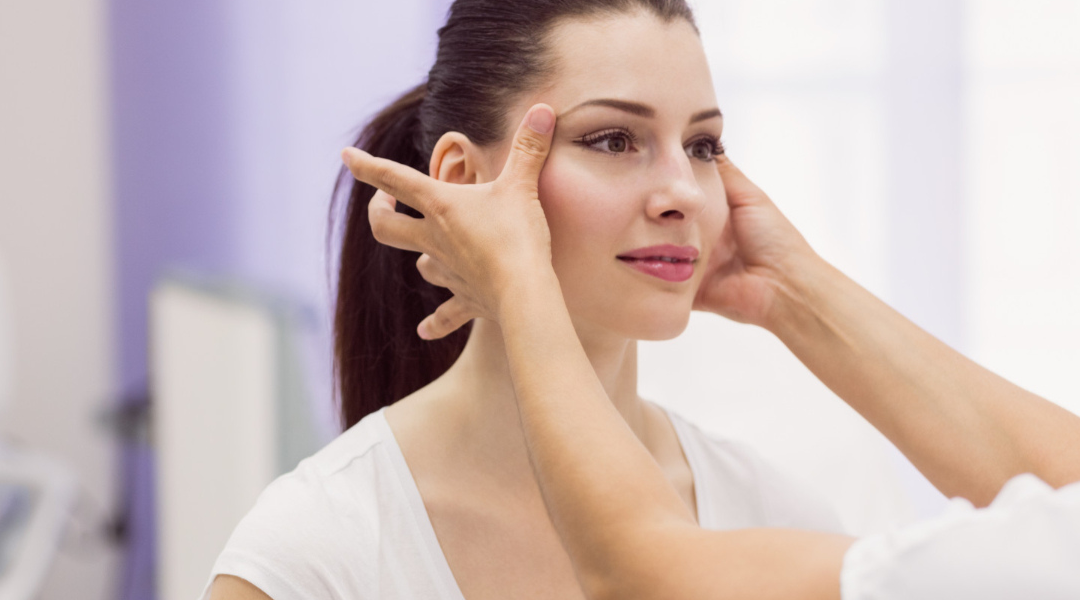
What is an aesthetician or Aesthetics Doctor ?
An aesthetician, also known as a skincare therapist or esthetician, is a licensed professional who specializes in providing various skincare treatments and services to improve the appearance and health of a client's skin. Aestheticians are trained to perform a range of cosmetic procedures and therapies, typically focused on the face and body, with the goal of enhancing the skin's texture, tone, and overall appearance.
Some common services and treatments offered by aestheticians include:
- Facials: Aesthetician-administered facials involve cleansing, exfoliation, extraction, and hydration of the skin. Different types of facials target specific skin concerns, such as acne, aging, hyperpigmentation, and sensitivity.
- Chemical Peels: Aestheticians apply chemical solutions to the skin to exfoliate and promote the growth of new, healthier skin. Chemical peels can help improve skin texture, tone, and reduce the appearance of wrinkles and fine lines.
- Microdermabrasion: This technique involves the use of a machine to gently exfoliate the outer layer of the skin, revealing smoother and more youthful-looking skin underneath.
- Waxing: Aestheticians offer hair removal services using wax for various areas of the body, such as eyebrows, upper lip, legs, and bikini area.
- Makeup Application: Aestheticians may provide makeup application services for special occasions or teach clients how to apply makeup for their daily routines.
- Brow and Lash Services: Aestheticians can shape eyebrows through techniques like waxing, threading, or tweezing, and may also offer lash extensions and tinting.
- Skin Analysis and Consultation: Aestheticians assess clients' skin conditions and concerns, providing recommendations for appropriate skincare products and routines.
- Product Recommendations: Aestheticians often educate clients about proper skincare products and help them select products tailored to their skin type and concerns.
It's important to note that the specific services offered by aestheticians may vary depending on their training, certifications, and the regulations of their region. Aestheticians typically work in spas, beauty salons, dermatology offices, and wellness centers. To become a licensed aesthetician, individuals generally need to complete a formal training program, which includes both theoretical knowledge and hands-on practical experience, followed by passing a licensing exam in their jurisdiction.
