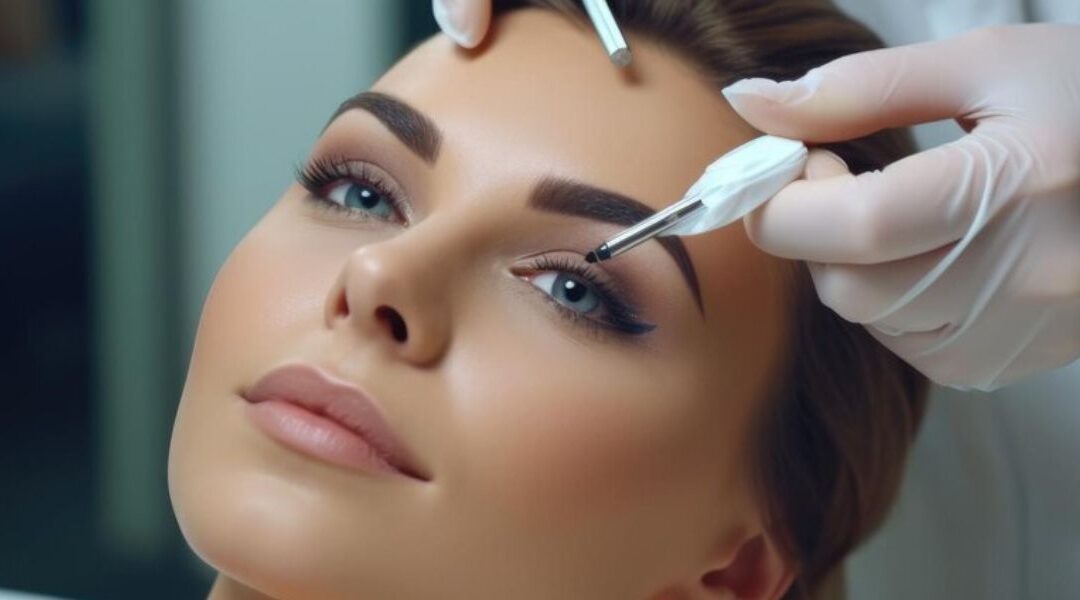
When it comes to defining beauty, opinions vary widely based on cultural, personal, and societal influences. However, when we talk about the most attractive part of a woman’s body, it’s essential to recognize that beauty is far more than just physical appearance. Confidence, health, and how one carries herself play a massive role in how attractiveness is perceived. So, which part of the body often draws the most attention? Let’s explore the timeless elements of female beauty that captivate people worldwide.
1. The Face: The Window to Emotions
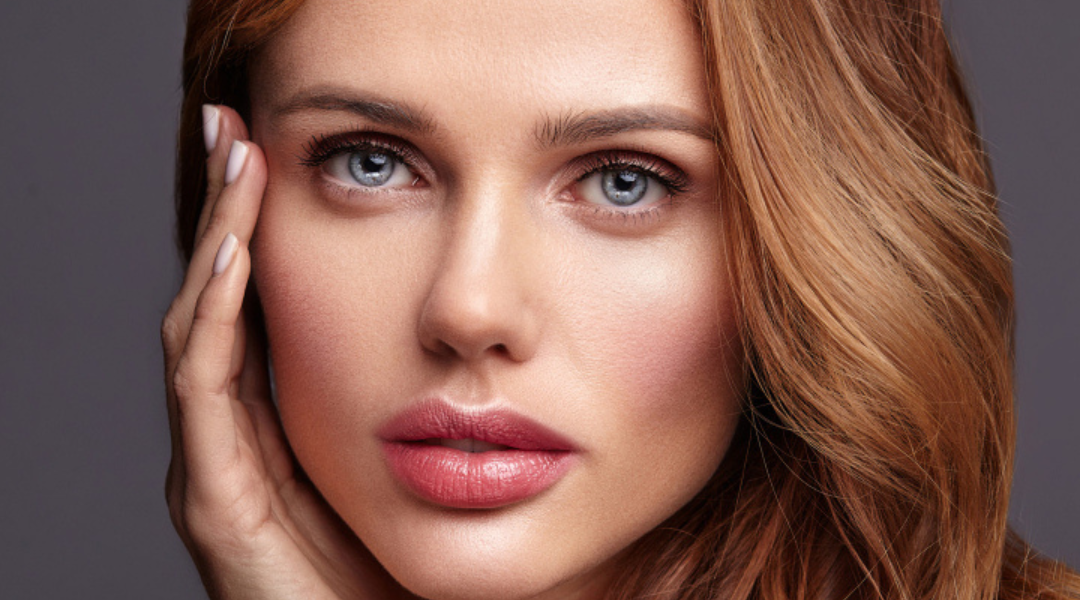
The face is often considered the most striking feature of a woman. It's where expressions, emotions, and personality shine through. Features like the eyes, lips, and smile are frequently highlighted as some of the most attractive aspects. Eyes, in particular, are said to reflect inner beauty, intelligence, and kindness, making them a focal point of connection. A healthy, glowing complexion can also enhance the attractiveness of facial features.
2. The Waistline: Symbol of Health and Femininity
A well-defined waistline has long been associated with beauty and health. The hourglass figure, characterized by a balanced bust, hips, and a narrow waist, is considered by many to be a symbol of femininity and fertility. It’s no wonder that women often seek fitness and dietary routines to maintain a healthy, toned waistline. In addition to its visual appeal, a fit waistline also signifies good health, which is inherently attractive.
3. The Legs: Elegance and Strength
Long, toned legs are often regarded as one of the most attractive parts of a woman’s body. Not only do they convey elegance, but they also reflect physical strength and fitness. The way a woman walks, the grace in her movement, and how she carries herself often draw attention to her legs. Fitness enthusiasts emphasize exercises like squats and lunges to tone their legs, adding to their appeal and boosting confidence.
4. The Back: Strength and Sensuality
A toned back, with its smooth curves and natural strength, is another part of a woman’s body that stands out as particularly attractive. Whether showcased in a backless dress or simply through posture, a strong, well-maintained back conveys health and power. It also enhances the overall balance of the body, providing an elegant silhouette.
5. The Smile: Confidence and Warmth
A warm, genuine smile is often considered the most captivating part of a woman. It transcends physical attributes, showing confidence, approachability, and a positive attitude. A smile not only brightens the face but also creates a welcoming energy around the person, making her more attractive on multiple levels. Studies have shown that people are naturally drawn to those who smile more, linking it directly to feelings of joy and comfort.
6. The Hair: Expression of Personality
Hair is a versatile aspect of a woman’s attractiveness, often seen as a reflection of her personality and style. Whether long and flowing or short and chic, healthy, shiny hair always makes a strong impression. The ability to style hair in various ways—be it straight, curly, or wavy—adds to its allure. Regular hair care routines, such as conditioning and trimming, help maintain a woman’s hair in its most attractive form.
7. The Confidence: The Ultimate Attractive Quality
While specific body parts like the face, waist, and legs are frequently mentioned in discussions of beauty, it’s the confidence with which a woman carries herself that is truly magnetic. Confidence isn’t just about appearance; it’s about self-assurance, how a woman interacts with the world around her, and how she feels about herself. A confident woman naturally exudes attractiveness, no matter what her physical features may be.
While many people may have differing opinions about the most attractive part of a woman's body, the true allure lies in the combination of health, confidence, and how one embraces their uniqueness. Whether it’s the eyes that captivate, the waistline that defines femininity, or the smile that lights up a room, each part contributes to the overall beauty of a woman. It’s important to focus on health, self-care, and self-love, as these will naturally enhance all aspects of one’s appearance.
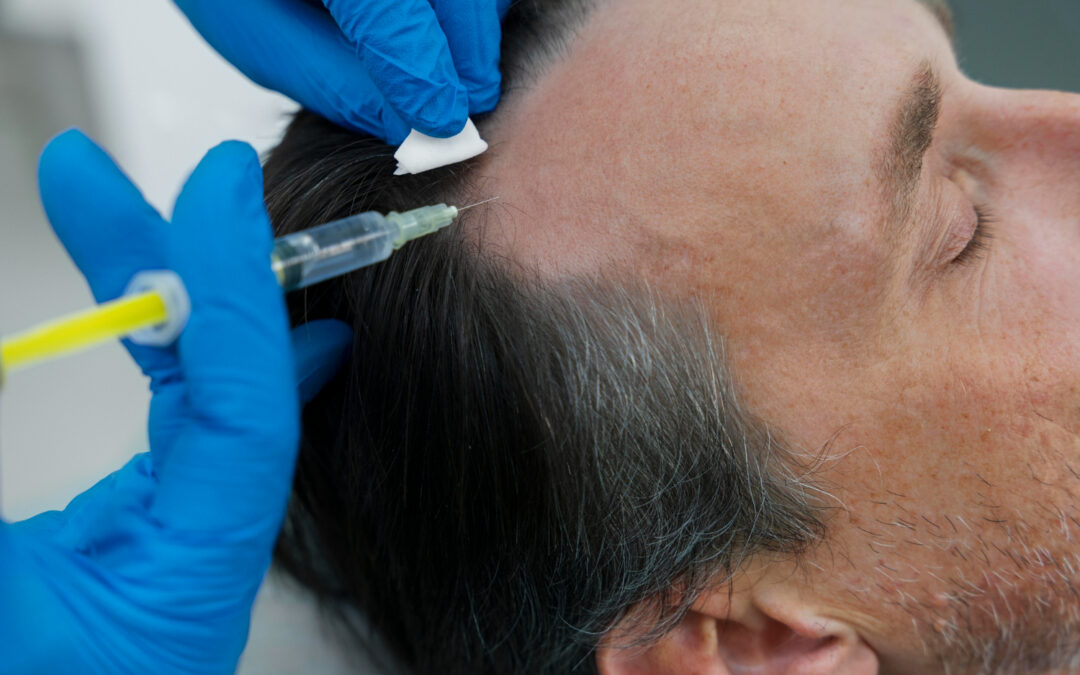
Platelet-Rich Plasma (PRP) therapy involves using a patient's own blood, which is processed to concentrate platelets. These platelets contain growth factors that are believed to help in healing and tissue regeneration. PRP treatment has gained popularity in various fields like orthopedics, dermatology, and aesthetics for conditions such as:
Orthopedic injuries: Tendon, ligament, and muscle injuries.
Aesthetic purposes: Facial rejuvenation, hair restoration, and reducing wrinkles.
Healing post-surgery: To speed up recovery.
History of PRP:
Origin: The origins of PRP therapy date back to the 1970s when it was initially developed for use in transfusion medicine. PRP itself became a recognized therapeutic tool in the 1980s when it was first used in an open-heart surgery procedure.First experiment: The first major medical use of PRP in clinical settings was conducted in the 1980s by doctors seeking better healing outcomes in cardiac surgery patients. This marked the start of PRP's potential in regenerative medicine.Popularity rise: PRP gained popularity in the 2000s with its introduction into sports medicine, thanks to high-profile athletes seeking faster recovery from injuries. Later, it became a common treatment in aesthetics and dermatology.
Detailed Overview of PRP (Platelet-Rich Plasma) Treatment:
PRP Composition: PRP is made from the patient's own blood. The process involves drawing a small amount of blood, which is then spun in a centrifuge to separate the components: red blood cells, white blood cells, and plasma. Platelet-rich plasma is a fraction of plasma that has a higher concentration of platelets than normal. These platelets contain bioactive proteins and growth factors like:
PDGF (Platelet-Derived Growth Factor)
TGF (Transforming Growth Factor)
VEGF (Vascular Endothelial Growth Factor)
These growth factors stimulate cell proliferation, tissue repair, and healing.
Historical Milestones of PRP:
1970s - Development of PRP: PRP was first developed in the 1970s, mainly as a byproduct of research in transfusion medicine, aimed at improving healing outcomes for patients undergoing various treatments, particularly surgeries.
1987 - First Use in Cardiac Surgery: In 1987, Dr. F. Robert Marx used PRP during an open-heart surgery at Miami Valley Hospital, which is recognized as the first major clinical use of PRP. This began the integration of PRP into surgical practices, where its healing potential was explored for wound healing.
1990s - Expansion to Dentistry: In the 1990s, PRP became increasingly used in oral and maxillofacial surgery, especially in dental implantology and bone grafting. PRP demonstrated faster healing and better tissue regeneration, making it popular in this specialty.
2000s - Sports Medicine: High-profile athletes popularized PRP treatment for sports injuries. Athletes like Tiger Woods and Rafael Nadal received PRP treatments for muscle and tendon injuries. As a result, PRP gained mainstream attention in orthopedics and sports medicine for injuries like:
Tendinitis
Ligament injuries
Chronic joint issues
2006-2010 - Rise in Cosmetic and Aesthetic Use: PRP entered the field of aesthetics with treatments such as the "Vampire Facial" (popularized by celebrities like Kim Kardashian) and hair restoration. It became widely used for skin rejuvenation, improving the appearance of wrinkles, and treating hair thinning by stimulating follicles.
Key Applications of PRP:
Orthopedics: For joint pain, muscle injuries, tendinitis, and arthritis.Dermatology & Aesthetics: Used in hair restoration, facial rejuvenation, acne scar treatment, and stretch marks reduction.Dentistry: Enhances healing in periodontal and implant procedures.Surgery: Assists in post-operative healing, especially in plastic and reconstructive surgery.
How PRP Works:
The concentrated growth factors in PRP stimulate natural healing mechanisms by promoting:
Cell regeneration
Collagen production
New tissue formation
It has a minimally invasive procedure profile and fewer side effects since it uses the patient's own blood, minimizing the risk of allergic reactions or infections.
Ongoing Research:
Research continues on the effectiveness of PRP across various treatments. While some studies show significant benefits, especially in hair restoration and sports medicine, more conclusive evidence is needed in some areas like chronic pain management and cosmetic enhancements.
PRP's future could see its integration with stem cell therapy and other advanced regenerative medicine techniques.
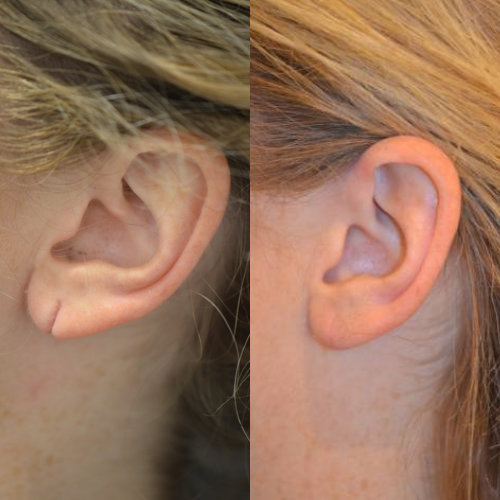
Earlobe rejuvenation with fillers is a cosmetic procedure aimed at restoring volume, shape, and elasticity to the earlobes. Over time, the earlobes can become elongated, thin, and wrinkled due to factors such as aging, wearing heavy earrings, and genetics. This non-surgical procedure involves the injection of dermal fillers into the earlobes to address these concerns and provide a more youthful appearance.
Quick and Painless:
Earlobe rejuvenation with fillers is considered a quick and virtually painless procedure. It typically requires minimal preparation and can often be completed within a matter of minutes. A topical anesthetic cream or numbing agent may be applied to the earlobes prior to the injections to ensure a comfortable experience for the patient.
Benefits of Earlobe Rejuvenation:
Restores Volume: The fillers used in the procedure can restore lost volume to the earlobes, making them appear plumper and more youthful.
Addresses Wrinkles: Fillers can smooth out wrinkles and fine lines that may have developed on the surface of the earlobes.
Improves Elasticity: The procedure can improve the elasticity of the earlobes, helping them bounce back from the effects of aging and earring use.
Enhances Earring Appearance: With rejuvenated earlobes, earrings may hang more attractively and comfortably.
Non-Surgical: Since the procedure involves injections, it is non-surgical and carries fewer risks and a shorter recovery time compared to surgical earlobe procedures.
Procedure Duration: The earlobe rejuvenation procedure is typically very swift. It can often be completed within 15 to 30 minutes, depending on the complexity of the case and the number of injections required. Patients can often return to their daily activities immediately after the procedure, as there is minimal to no downtime associated with it.
Duration of Results: The duration of the results may vary depending on the type of filler used and individual factors such as metabolism and lifestyle. Generally, the effects of the fillers can last anywhere from several months to a year. Patients interested in maintaining the results can consider scheduling touch-up sessions to extend the benefits.
Consultation: Before undergoing the procedure, it's important to have a consultation with a qualified medical professional, such as a dermatologist or a plastic surgeon. During the consultation, your concerns and goals will be discussed, and the practitioner will determine if you are a suitable candidate for the procedure.
Conclusion: Earlobe rejuvenation with fillers is a quick, virtually painless, and non-surgical procedure that can provide noticeable results in terms of restoring volume, reducing wrinkles, and improving the overall appearance of the earlobes. Consult with a medical professional to determine if this procedure is appropriate for your individual needs and expectations.
Rediscovering a more youthful appearance through non-surgical skin rejuvenation treatments involves a combination of treatments, skincare practices, and lifestyle changes. Here's a step-by-step guide to help you achieve a rejuvenated look without the need for surgery:
Consult with a Professional: Begin by scheduling a consultation with a qualified dermatologist, cosmetic surgeon, or licensed skincare professional. They will assess your skin's condition, discuss your concerns, and recommend appropriate non-surgical treatments.
Customized Treatment Plan: Based on your consultation, the professional will create a tailored treatment plan that may include a combination of non-surgical treatments to address your specific concerns.
Common Non-Surgical Rejuvenation Treatments: Depending on your needs and goals, your treatment plan might include:
Dermal Fillers: Restore lost volume, smooth wrinkles, and enhance facial contours.
Neuromodulators (Botox, Dysport): Relax muscles that cause wrinkles and lines.
Chemical Peels: Improve skin texture, reduce pigmentation, and stimulate collagen production.
Microneedling: Boost collagen production, improve skin texture, and minimize scars.
Laser and Light Therapies: Address pigmentation issues, improve skin tone, and stimulate collagen.
Radiofrequency Treatments: Tighten and firm skin, reduce wrinkles, and improve texture.
Ultherapy: Non-surgical ultrasound treatment for skin lifting and tightening.
PRP (Platelet-Rich Plasma) Therapy: Utilize your own blood's growth factors to stimulate rejuvenation.
Skincare Regimen: Adopt a comprehensive skincare routine that includes high-quality products with ingredients like retinoids, vitamin C, hyaluronic acid, and antioxidants. A consistent routine can complement your treatments and promote long-term skin health.
Sun Protection: Use broad-spectrum sunscreen daily to protect your skin from UV damage, which can accelerate aging. Sunscreen helps prevent wrinkles, pigmentation, and other signs of aging.
Hydration and Nutrition: Stay hydrated by drinking plenty of water and maintaining a balanced diet rich in antioxidants, vitamins, and minerals that support skin health.
Healthy Lifestyle: Prioritize sleep, manage stress, exercise regularly, and avoid smoking and excessive alcohol consumption. A healthy lifestyle can greatly contribute to a youthful appearance.
Stay Hydrated: Hydrate your skin from both the inside and outside by drinking water and using hydrating skincare products.
Consistency and Patience: Non-surgical treatments often require multiple sessions for optimal results. Be patient and consistent in following your treatment plan and skincare routine.
Follow-Up Appointments: Schedule follow-up appointments with your skincare professional to monitor your progress and make any necessary adjustments to your treatment plan.
Remember that while non-surgical treatments can help rejuvenate your appearance, achieving a youthful look also involves embracing your natural beauty and feeling confident in your skin. Consult with a professional to determine the best approach for your unique needs and goals.
There isn't a single "hottest" face type that applies universally to everyone, as beauty and attractiveness are highly subjective and culturally influenced. Different people have different preferences when it comes to facial features and proportions. What is considered attractive can vary widely based on individual taste, cultural norms, and societal trends.
That said, throughout history and across cultures, certain facial features and proportions have been associated with attractiveness. Some features that are often considered appealing include:
Symmetry: Facial symmetry is often associated with attractiveness, as it is thought to signal good health and genetic fitness.
Proportions: Balanced facial proportions, such as well-defined cheekbones, an oval-shaped face, and a balanced forehead-to-chin ratio, are often considered aesthetically pleasing.
Clear Skin: Clear and healthy skin is typically associated with attractiveness, as it indicates good overall health and hygiene.
Youthful Appearance: Features that are often associated with youth, such as smooth skin, full cheeks, and plump lips, are often considered attractive.
Eyes: Large, expressive eyes with well-defined eyelashes and eyebrows can enhance attractiveness.
Symmetrical and Defined Jawline: A strong and well-defined jawline can contribute to a more attractive facial profile.
Lips: Lips that are full, well-proportioned, and symmetrical are often considered appealing.
Nose: A nose that complements the overall facial proportions and is in harmony with other features is generally considered attractive.
Expression: A warm and genuine smile can greatly enhance attractiveness.
It's important to recognize that beauty ideals vary across cultures and change over time. What is considered attractive today may differ from what was considered attractive in the past, and different cultures have different standards of beauty. Additionally, personal preferences play a significant role, and what one person finds attractive may not necessarily be the same for someone else.
Ultimately, the concept of attractiveness is complex and multifaceted, and it's important to remember that every individual has their own unique beauty that goes beyond any specific facial type.
What is the most aesthetic face shape?
The concept of the "most aesthetic" face shape is subjective and can vary based on cultural preferences, personal opinions, and individual beauty ideals. There is no universally agreed-upon ideal face shape, as attractiveness is influenced by a wide range of factors, including facial features, proportions, and individual characteristics. That being said, some face shapes are commonly associated with aesthetics and balance:
Oval Face Shape: The oval face shape is often considered to be well-balanced and versatile, as it is characterized by balanced proportions and gently rounded contours. Many beauty standards consider the oval face shape to be attractive because it tends to harmonize with various hairstyles and facial features.
Heart Face Shape: The heart-shaped face, characterized by a broader forehead and narrower jawline, is often considered attractive due to its feminine and youthful appearance. The gentle taper from the forehead to the chin is often seen as aesthetically pleasing.
Square Face Shape: A square face shape with a strong jawline and well-defined angles is often associated with a sense of strength and symmetry. This shape is often admired for its balanced proportions and angular features.
Round Face Shape: The round face shape is characterized by soft, curved contours and a relatively equal length and width. While some cultures prefer more angular features, round faces are often seen as youthful and approachable.
Long (Rectangular) Face Shape: A longer face shape with balanced proportions is often considered elegant and sophisticated. It can provide a sense of vertical balance and is often associated with high cheekbones.
It's important to note that beauty ideals are diverse and can vary significantly across cultures and individual preferences. The most important aspect of aesthetics is the individual's unique features and how they harmonize to create a balanced and appealing appearance. Additionally, attractiveness is not solely determined by face shape; other factors such as skin quality, symmetry, facial expressions, and confidence all contribute to a person's overall attractiveness.
Which facial gives more glow?
Facials can help improve the appearance and health of your skin, and certain types of facials are designed to provide a radiant and glowing complexion. However, the effectiveness of a facial in delivering a "glow" depends on several factors, including the specific treatments used, the products applied, your skin type, and your overall skincare routine. Here are a few types of facials that are often associated with providing a radiant glow:
Hydrating Facial: A hydrating facial involves deep hydration of the skin using moisture-rich products. It can help plump up the skin, reduce dryness, and promote a healthy glow.
Exfoliating Facial: Exfoliation removes dead skin cells, allowing the fresh, healthy skin underneath to shine through. Treatments like chemical peels or microdermabrasion can provide a smoother, more radiant complexion.
Oxygen Facial: An oxygen facial infuses oxygen into the skin, along with specialized serums, to promote circulation, boost cell turnover, and deliver a rejuvenated appearance.
Vitamin C Facial: Vitamin C is known for its brightening and antioxidant properties. A facial with vitamin C-infused products can help reduce pigmentation, even out skin tone, and provide a radiant complexion.
LED Light Therapy Facial: LED light therapy can stimulate collagen production, reduce inflammation, and promote circulation, all of which contribute to a healthier, more radiant complexion.
Microcurrent Facial: Microcurrent facials use low-level electrical currents to stimulate facial muscles and improve circulation, leading to a more lifted and toned appearance.
Gold Facial: Gold facial treatments often involve applying gold-infused products to the skin. Gold is believed to have anti-inflammatory and antioxidant properties, which can contribute to a glowing complexion.
Antioxidant Facial: Antioxidant-rich products, such as those containing ingredients like green tea extract or resveratrol, can help protect the skin from environmental damage and enhance its natural glow.
Hyaluronic Acid Facial: Hyaluronic acid is a hydrating ingredient that can hold water and plump the skin. A facial with hyaluronic acid products can help achieve a dewy and radiant look.
It's important to note that individual results can vary based on factors like skin sensitivity, underlying skin conditions, and the expertise of the aesthetician providing the treatment. Before getting a facial, it's recommended to consult with a licensed skincare professional who can recommend the best treatment for your skin type and concerns. Additionally, maintaining a consistent skincare routine and overall healthy lifestyle can further enhance the natural glow of your skin.
Achieving an aesthetic and rejuvenated appearance through non-surgical treatments requires a combination of understanding your goals, consulting with professionals, and following a personalized treatment plan. Here's a step-by-step guide to help you get started:
Identify Your Goals: Determine the specific aspects of your face that you would like to enhance or address. This could include improving skin texture, reducing wrinkles, enhancing volume, or addressing specific concerns like acne scars or pigmentation.
Consult with a Professional: Schedule a consultation with a licensed dermatologist, cosmetic surgeon, or skincare specialist who has experience in non-surgical treatments. They will assess your facial structure, skin type, and concerns to recommend the most appropriate treatments.
Customized Treatment Plan: Based on your consultation, the professional will create a personalized treatment plan that may involve a combination of different non-surgical treatments to achieve your desired results.
Common Non-Surgical Aesthetic Treatments: Depending on your goals, your treatment plan might include a combination of the following treatments:
Dermal Fillers: Used to restore volume and smooth out wrinkles or creases.
Neuromodulators (Botox, Dysport): Used to relax muscles that cause wrinkles and lines.
Chemical Peels: Improve skin texture and reduce pigmentation irregularities.
Microdermabrasion: Exfoliates the skin and improves its texture.
Microneedling: Stimulates collagen production and improves skin texture.
Laser and Light Therapies: Address pigmentation issues, wrinkles, and skin tightening.
Radiofrequency Treatments: Improve skin laxity and stimulate collagen production.
Ultherapy: Non-surgical ultrasound treatment for skin tightening.
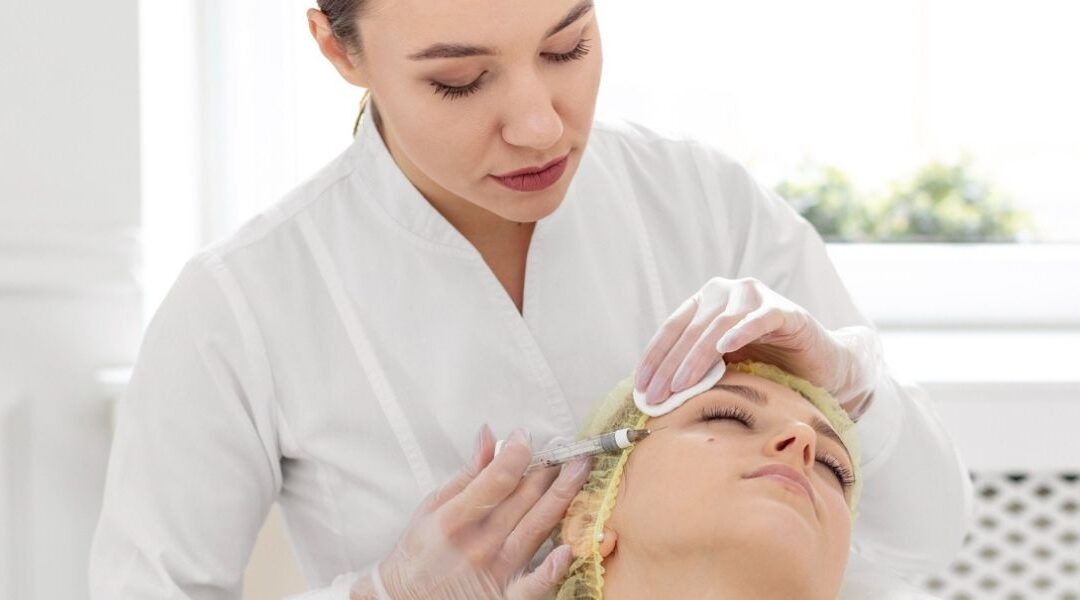
PRP (Platelet-Rich Plasma) Therapy: Used for facial rejuvenation and skin renewal.
Treatment Sessions: Follow the treatment plan recommended by the professional. Some treatments may require multiple sessions spaced over time to achieve optimal results.
Aftercare and Maintenance: Follow any post-treatment instructions provided by your specialist. Depending on the treatments, you may need to avoid sun exposure, use specific skincare products, and attend follow-up appointments.
Healthy Lifestyle: Maintain a healthy lifestyle with a balanced diet, regular exercise, proper hydration, and a consistent skincare routine to support the effects of the treatments.
Realistic Expectations: Keep in mind that non-surgical treatments can enhance your natural features and improve your appearance, but they may not provide the same level of transformation as surgical procedures. Have realistic expectations about what these treatments can achieve.
Continued Consultations: Schedule follow-up consultations with your skincare professional to assess your progress and make any necessary adjustments to your treatment plan.
Remember, every individual's needs and goals are unique. Working closely with a qualified professional will ensure that you receive safe and effective non-surgical treatments tailored to your specific situation.
There are countless aesthetic treatments available, and new ones may emerge over time as technology advances and research progresses. Here are some common aesthetic treatments along with their names:
There are numerous non-surgical skincare treatments available to address various skin concerns and improve skin health. These treatments aim to enhance skin appearance, texture, and overall quality without the need for surgery. Below are some common non-surgical skincare treatments:
Chemical Peels:
Glycolic Acid Peels
Salicylic Acid Peels
Lactic Acid Peels
TCA Peels (Trichloroacetic Acid)
Mandelic Acid Peels
Fruit Enzyme Peels
Microdermabrasion:
Diamond-tip Microdermabrasion
Crystal Microdermabrasion
Microneedling:
Collagen Induction Therapy
Automated Microneedling
Laser and Light Therapies:
Intense Pulsed Light (IPL) therapy
LED Light Therapy
Fractional Laser Resurfacing
Non-ablative Laser Resurfacing
Photofacial (IPL Photorejuvenation)
Radiofrequency Treatments:
Radiofrequency Microneedling (RF Microneedling)
Thermage
Ultherapy (ultrasound and radiofrequency)
Cryotherapy:
Cryofacial
Cryo Chamber
High-Frequency Treatments:
High-Frequency Facial
Acne Treatments
Oxygen Facials:
Oxygen Infusion Therapy
Ultrasound Treatments:
Ultrasonic Facial
Microcurrent Treatments:
Microcurrent Facial
HydraFacial:
Hydradermabrasion Treatment
PRP (Platelet-Rich Plasma) Therapy:
Vampire Facial (PRP Facial)
Chemical Exfoliation:
Enzyme Masks
Alpha Hydroxy Acid (AHA) Masks
Beta Hydroxy Acid (BHA) Masks
Injectables:
Dermal Fillers (e.g., Juvederm, Restylane)
Neuromodulators (e.g., Botox, Dysport)
Kybella (for reducing double chin fat)
Body Contouring:
CoolSculpting (Cryolipolysis)
Radiofrequency Lipolysis
Hair Restoration:
Hair Transplants (FUE, FUT)
Low-Level Laser Therapy (LLLT) for hair loss
Cosmetic Dentistry:
Teeth Whitening
Dental Veneers
Orthodontic Treatments (Braces, Invisalign)
Tattoo Removal:
Laser Tattoo Removal
Non-Invasive Fat Reduction:
SculpSure
Emsculpt
Laser Skin Resurfacing:
Fraxel Laser
CO2 Laser
Cellulite Reduction:
Cellfina
Cellulaze
Thread Lifts:
PDO Thread Lifts
Silhouette InstaLift
Ultherapy:
Non-surgical ultrasound treatment for skin tightening
Vaginal Rejuvenation:
ThermiVa
Viveve
These are just a few examples, and the aesthetic treatment landscape continues to evolve. It's important to consult with a qualified medical professional before undergoing any aesthetic treatment to ensure that it's appropriate for your individual needs and health profile.
In the UK, administering Botox (Botulinum toxin) injections for cosmetic purposes is considered a prescription-only medical procedure. This means that only qualified medical professionals, such as doctors, dentists, and nurse prescribers, are allowed to administer Botox injections for cosmetic use.
If you are a non-medical professional, you are generally not allowed to administer Botox injections for cosmetic purposes in the UK. However, you may still be able to work in the aesthetics industry by providing other non-invasive skincare treatments and procedures that do not involve prescription medications or injections. To do so, you would typically need to pursue qualifications in beauty therapy or aesthetics, as mentioned in the previous responses.
It's important to emphasize that regulations and requirements can change over time, and it's advisable to seek the most up-to-date information from reputable sources and relevant authorities in the UK. If you're interested in pursuing a career in aesthetics or providing specific treatments, it's a good idea to research and consult with professional organizations and regulatory bodies to ensure that you are in compliance with the law and industry standards.
Why is it called aesthetics?
The term "aesthetics" originates from the Greek word "aisthēsis," which means perception, sensation, or the process of sensory perception. In philosophy, aesthetics refers to the study of beauty, art, and sensory experiences. The term has been widely used to discuss matters of taste, perception, and the appreciation of art and beauty.
In the context of the beauty and skincare industry, the term "aesthetics" is used to describe treatments and practices that focus on enhancing and improving the appearance and health of the skin. Aestheticians provide various skincare treatments, facials, and procedures aimed at promoting healthy skin, addressing skin concerns, and enhancing the overall visual appeal.
The use of the term "aesthetics" in this context emphasizes the sensory and visual aspects of the treatments, as well as the appreciation for healthy and radiant skin. It aligns with the broader philosophical notion of aesthetics, which is concerned with how humans perceive and appreciate beauty and sensory experiences.
Overall, the term "aesthetics" is used to convey the idea of enhancing and improving the visual and sensory qualities of the skin, reflecting both the historical roots of the term and its application in the field of beauty and skincare.
What is the short form of aesthetician?
The short form of "esthetician" is often written as "esthetician" or "aesthetician." These terms are already relatively short, so there isn't a widely recognized abbreviation for them. In professional and casual communication, it's common to use the full term to refer to someone who specializes in skincare treatments and procedures.
To become an aesthetician in the UK, you typically need to obtain specific qualifications and meet certain requirements. The qualifications required can vary depending on the specific treatments you plan to offer and the regulations of the region you intend to work in. Here's a general overview of the qualifications and steps you might need to take:
Education and Training: To become an aesthetician, you should complete a formal education and training program in beauty therapy or aesthetics. Look for courses that are accredited by relevant industry bodies, such as the British Association of Beauty Therapy and Cosmetology (BABTAC) or the Federation of Holistic Therapists (FHT). These programs often include both theoretical and practical training in skincare treatments, facials, chemical peels, waxing, and other relevant procedures.
Qualifications: The most common qualification for aestheticians in the UK is the Level 2 and Level 3 Beauty Therapy Diploma. This diploma covers a wide range of beauty treatments, including those related to aesthetics. Some training programs may also offer specialized courses or modules specifically focused on aesthetics.
Licensing and Registration: In the UK, there is no specific government-mandated licensing for aestheticians. However, you may need to register with your local council if you plan to offer certain treatments, such as piercing or electrolysis. Additionally, some insurance providers may require you to hold certain qualifications and certifications to obtain liability insurance.
Insurance: Obtaining liability insurance is highly recommended for anyone working in the beauty and aesthetics industry. Insurance provides protection in case of any unexpected issues or accidents during treatments.
Continuing Professional Development (CPD): The beauty and aesthetics industry is constantly evolving, with new techniques, products, and regulations. Engaging in continuous professional development by attending workshops, seminars, and staying updated on industry trends is important to maintain your skills and knowledge.
Optional Advanced Qualifications: While not always required, you might consider pursuing advanced qualifications or certifications in specific areas of aesthetics, such as laser treatments, microblading, or advanced skincare procedures. These additional qualifications can enhance your expertise and allow you to offer a wider range of services.
Health and Safety Regulations: As an aesthetician, you'll also need to be well-versed in health and safety regulations and practices to ensure the well-being of your clients and yourself.
It's important to note that the qualifications and requirements can vary depending on the specific region within the UK. Regulations may also change over time, so it's advisable to check with local authorities and industry associations for the most up-to-date information and guidance.
"Beautician" and "aesthetician" are terms that are often used to refer to professionals in the beauty and skincare industry, but they can have different connotations and roles depending on the context and region. Here's a general overview of the differences between the two:
Beautician:
Focus: A beautician typically offers a range of beauty services that focus on enhancing a client's overall appearance. These services can include hairstyling, makeup application, nail care (manicures and pedicures), and basic skincare treatments.
Training: Beauticians often undergo training in various beauty services, including hairstyling, makeup artistry, and nail technology. Their training might cover a broad spectrum of beauty treatments.
Expertise: Beauticians are skilled in providing services related to hair, makeup, and nails. They may offer makeup application for special occasions, hairstyling, and nail treatments.
Licensing: Licensing and certification requirements for beauticians can vary by region. In some places, a beautician may need to complete a formal training program and pass exams to obtain a license, while in others, the requirements may be less stringent.
Services: Beauticians often work in beauty salons, spas, and other similar settings where they provide a variety of beauty treatments. Their services are typically broader in scope and may include hairstyling and nail services in addition to skincare treatments.
Aesthetician (Esthetician):
Focus: An aesthetician (esthetician) primarily focuses on skincare treatments and services aimed at improving the health and appearance of the skin. Their services may include facials, chemical peels, microdermabrasion, waxing, and other skincare procedures.
Training: Aestheticians undergo formal training and education in skincare, anatomy, physiology, and various skincare techniques. They have a more specialized focus on skin health and treatment.
Expertise: Aestheticians are knowledgeable about different skin types, conditions, and products. They provide personalized skincare advice and treatments tailored to each client's needs.
Licensing: Aestheticians are often required to be licensed by their respective regulatory bodies or state boards. Licensing requirements typically involve completing a formal training program, passing written and practical exams, and meeting ongoing education requirements.
Services: Aestheticians provide a wide range of skincare treatments and services, primarily focusing on the face and body. They work in settings such as spas, salons, dermatology clinics, and wellness centers.
In summary, while both beauticians and aestheticians work in the beauty industry, their focuses and areas of expertise can differ. Beauticians tend to provide a broader range of beauty services, including hair, makeup, and nails, while aestheticians specialize in skincare treatments and services to improve skin health and appearance. The specific roles and titles can vary depending on the region and local industry standards.