
by london | Aug 11, 2023 | Beauty News
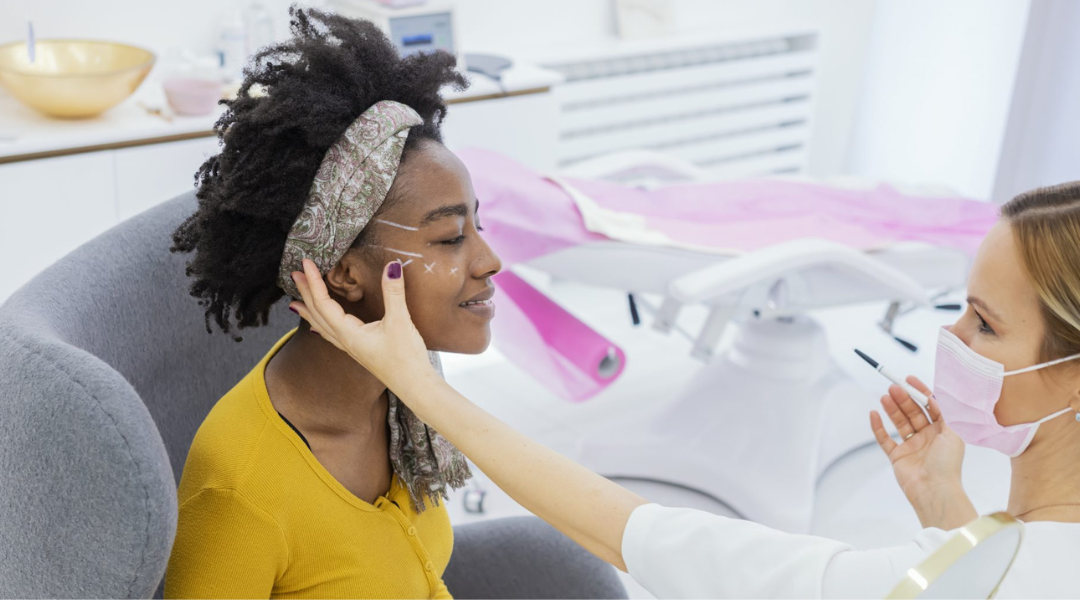
The terms "esthetician" and "cosmetician" are often used interchangeably, but they can refer to slightly different roles within the beauty and skincare industry, depending on the context and region. Here's a general overview of the differences between the two:
Esthetician (Aesthetician):
- Focus: An esthetician, also known as an aesthetician, primarily focuses on providing skincare treatments and services aimed at improving the health and appearance of the skin. Their services may include facials, chemical peels, microdermabrasion, waxing, and other skincare procedures.
- Training: Estheticians typically undergo formal training and education in skincare, anatomy, physiology, and various skincare techniques. They often hold diplomas or certifications from accredited beauty schools or training programs.
- Expertise: Estheticians are knowledgeable about different skin types, conditions, and products. They offer personalized skincare advice and often work with clients to develop skincare routines that address specific concerns.
- Licensing: Estheticians are usually required to be licensed by their respective regulatory bodies or state boards. Licensing requirements may vary by region, but they generally involve completing a formal training program, passing written and practical exams, and meeting ongoing education requirements.
- Services: Estheticians provide a wide range of skincare treatments and often work in settings such as spas, salons, dermatology clinics, and wellness centers.
Cosmetician:
- Focus: A cosmetician typically specializes in the application and sale of cosmetics and beauty products. Their role often revolves around assisting customers with makeup application, recommending products, and providing advice on beauty and skincare routines.
- Training: Cosmeticians may undergo training in makeup application techniques, product knowledge, and customer service. However, their training might not be as comprehensive as that of estheticians, focusing more on cosmetics and retail.
- Expertise: Cosmeticians are knowledgeable about different makeup products, shades, and application methods. They can help customers choose makeup products that complement their skin tone and preferences.
- Licensing: Licensing requirements for cosmeticians can vary widely depending on the region. In some places, a cosmetician may not require a formal license, while in others, they may need to meet certain certification or registration criteria.
- Services: Cosmeticians often work in retail environments, such as beauty and department stores, where they provide makeup demonstrations, offer product recommendations, and assist customers in choosing and purchasing cosmetics.
It's important to note that the terminology and roles can vary from one country or region to another. In some places, the terms "esthetician" and "cosmetician" may be used interchangeably to describe professionals who offer both skincare and makeup services. Always refer to local regulations and industry standards for accurate definitions and distinctions in your specific location.
by london | Aug 11, 2023 | Beauty News
In the UK, becoming an aesthetician typically involves completing a structured training program and obtaining the necessary qualifications. Here are the general steps you would need to follow to become an aesthetician in the UK:
Research and Choose a Training Program:
Look for reputable beauty schools or training centers that offer courses in aesthetics or beauty therapy. Ensure that the program you choose is accredited by relevant industry bodies and provides comprehensive training in various aspects of skincare, treatments, and hygiene.
Enroll in a Beauty Therapy Course:
Enroll in a Beauty Therapy Course: Many beauty schools in the UK offer courses in beauty therapy or aesthetics. These courses provide theoretical knowledge as well as practical hands-on experience. Some of the topics you might study include skincare techniques, facial treatments, waxing, makeup application, and more.
Complete Training and Practical Hours:
Complete Training and Practical Hours: During your course, you'll have the opportunity to practice various aesthetic procedures on clients under the supervision of experienced instructors. Practical training is a crucial aspect of becoming proficient in the skills required for the profession.
Obtain Relevant Qualifications:
To work as an aesthetician in the UK, you'll need to obtain a recognized qualification. The most common qualification is the Level 2 and Level 3 Beauty Therapy Diploma, which covers a wide range of beauty treatments, including those related to aesthetics. Some courses may also offer specialized modules or additional qualifications in aesthetics.
Gain Work Experience:
After completing your training and obtaining the necessary qualifications, gaining practical work experience is essential. Consider working in a spa, beauty salon, or aesthetic clinic to further develop your skills and build a client base.
Obtain Insurance and Licensing:
Depending on your location and the specific treatments you plan to offer, you may need to obtain liability insurance and any required licenses or permits to practice as an aesthetician.
Continuous Professional Development (CPD):
The beauty and aesthetics industry is always evolving, with new techniques and products constantly emerging. It's important to engage in continuous learning to stay updated on the latest trends and advancements in the field.
Join Professional Associations:
Consider joining professional associations in the beauty and aesthetics industry, such as the British Association of Beauty Therapy and Cosmetology (BABTAC) or the Federation of Holistic Therapists (FHT). Membership in such associations can provide networking opportunities, access to resources, and credibility within the industry.
It's important to note that regulations and requirements may vary depending on the region within the UK, so it's advisable to check with relevant local authorities and industry organizations for the most up-to-date information.
by london | Aug 11, 2023 | Beauty News, non surgical aesthetics
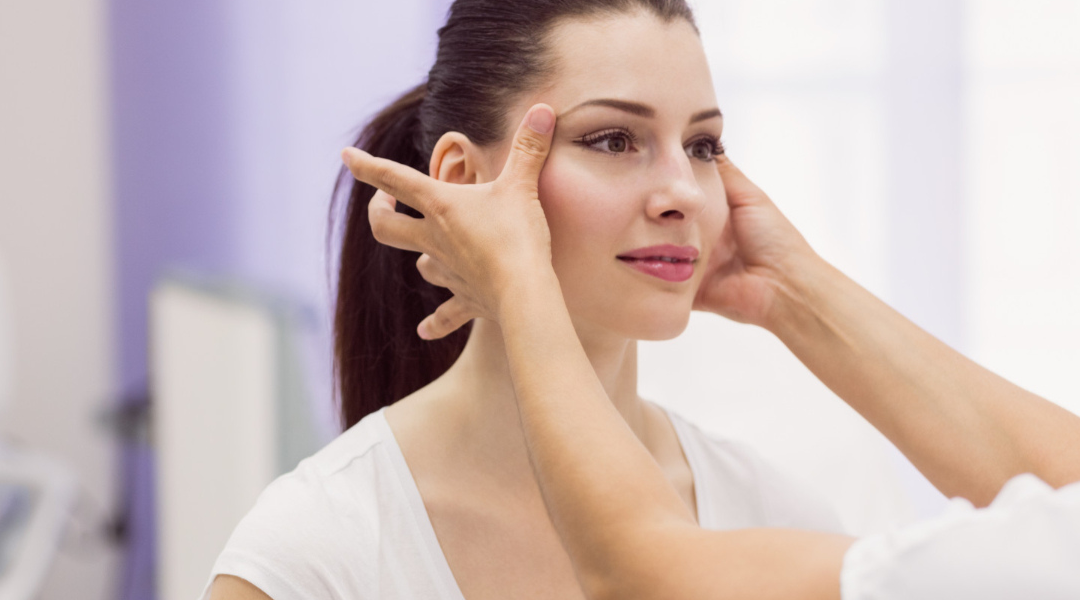
An aesthetician, also known as a skincare therapist or esthetician, is a licensed professional who specializes in providing various skincare treatments and services to improve the appearance and health of a client's skin. Aestheticians are trained to perform a range of cosmetic procedures and therapies, typically focused on the face and body, with the goal of enhancing the skin's texture, tone, and overall appearance.
Some common services and treatments offered by aestheticians include:
- Facials: Aesthetician-administered facials involve cleansing, exfoliation, extraction, and hydration of the skin. Different types of facials target specific skin concerns, such as acne, aging, hyperpigmentation, and sensitivity.
- Chemical Peels: Aestheticians apply chemical solutions to the skin to exfoliate and promote the growth of new, healthier skin. Chemical peels can help improve skin texture, tone, and reduce the appearance of wrinkles and fine lines.
- Microdermabrasion: This technique involves the use of a machine to gently exfoliate the outer layer of the skin, revealing smoother and more youthful-looking skin underneath.
- Waxing: Aestheticians offer hair removal services using wax for various areas of the body, such as eyebrows, upper lip, legs, and bikini area.
- Makeup Application: Aestheticians may provide makeup application services for special occasions or teach clients how to apply makeup for their daily routines.
- Brow and Lash Services: Aestheticians can shape eyebrows through techniques like waxing, threading, or tweezing, and may also offer lash extensions and tinting.
- Skin Analysis and Consultation: Aestheticians assess clients' skin conditions and concerns, providing recommendations for appropriate skincare products and routines.
- Product Recommendations: Aestheticians often educate clients about proper skincare products and help them select products tailored to their skin type and concerns.
It's important to note that the specific services offered by aestheticians may vary depending on their training, certifications, and the regulations of their region. Aestheticians typically work in spas, beauty salons, dermatology offices, and wellness centers. To become a licensed aesthetician, individuals generally need to complete a formal training program, which includes both theoretical knowledge and hands-on practical experience, followed by passing a licensing exam in their jurisdiction.

by london | Aug 10, 2023 | Botox, Skin
Introduction
Botox, we've all heard of it, and some of us have even had the pleasure of experiencing it. But do we really understand it? In this blog, we'll dive into the world of Botox, exploring its strategies and approaches. From popular treatment areas to different types of treatments, we'll cover it all. So sit back, relax, and get ready to enhance your knowledge of the "wrinkle-free" wonder known as Botox. Trust me, it's going to be a wild ride!
Understanding Botox
As we delve into the world of Botox, let's try to understand this magical potion that promises to freeze time, well, at least the appearance of it. Botox, short for Botulinum toxin, is a neurotoxic protein that works wonders in reducing the appearance of wrinkles and fine lines. Sounds like a dream come true, right? Well, not so fast. While Botox may seem like the ultimate solution to eternal youth, it's crucial to understand how it works. Botox works by temporarily paralyzing the muscles that cause wrinkles, thus smoothening out the skin. It's like giving your face a little vacation from all that frowning and squinting. Now, don't get too carried away thinking that Botox can fix all your skincare woes. It's primarily used to target crow's feet, forehead lines, and frown lines. So, if you're dreaming of a wrinkle-free face like a porcelain doll, Botox might not be the magical potion you're hoping for. But fear not, my friends, for Botox doesn't stop at just treating wrinkles. It also has some medical applications, like treating migraines, excessive sweating, and even muscle stiffness. It's like a multi-talented performer, keeping both the aesthetics and the medical world entertained. So, there you have it, a brief introduction to the world of Botox. Whether you choose to embrace the frozen look or opt for a more natural route, it's always important to make an informed decision. After all, the journey to eternal youth isn't always as smooth as our wrinkle-free foreheads.
Popular Botox Treatment Areas
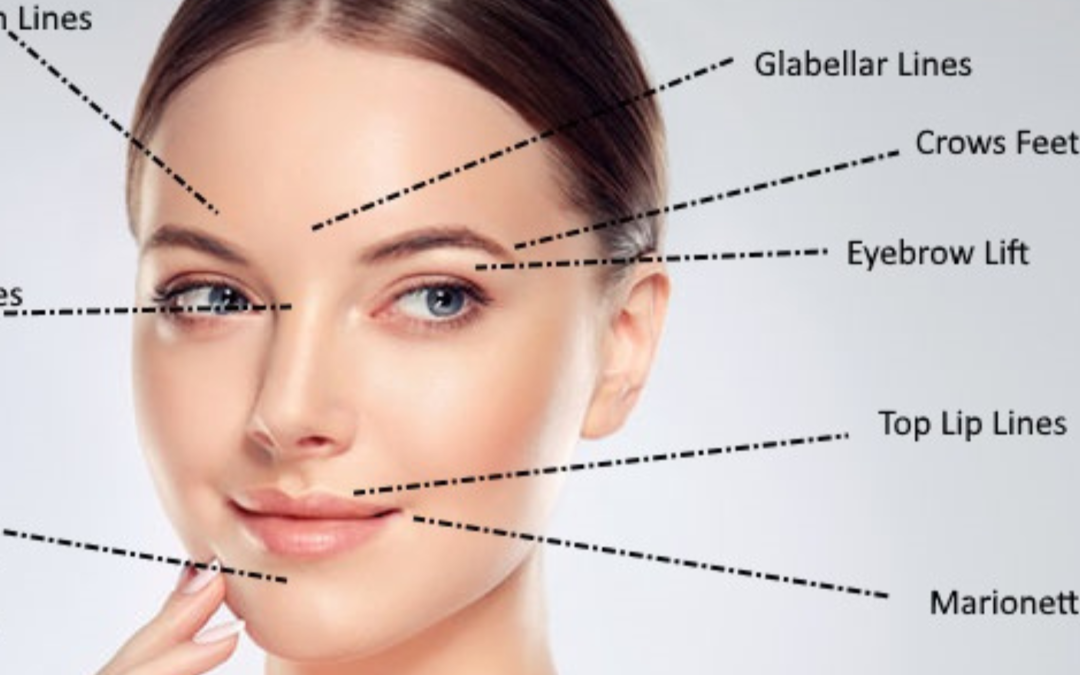
Popular Botox Treatment Areas: So, you're considering getting some Botox, huh? Well, you're in luck because there's a plethora of areas where you can conveniently inject this wonder toxin. Let's dive into the most popular treatment areas and see which ones tickle your fancy. 1. Forehead: Ah, the classic destination for those pesky forehead wrinkles that just won't quit. Botox targets those muscles, smoothes out the lines, and voila! You have a smooth and youthful-looking forehead. Who needs those stress lines anyway? 2. Crow's Feet: These pesky little lines around your eyes can make you look tired, stressed, or even angry (not the best first impression to make, right?). But fear not, Botox can come to the rescue and erase those crow's feet, leaving you looking fresh and vibrant. No more bird-like features! 3. Frown Lines: We all know that person who looks perpetually grumpy, even when they're in a great mood. Well, those frown lines are to blame. With Botox, you can bid adieu to that permanent scowl and say hello to a more relaxed and approachable face. Happy face, happy life! 4. Bunny Lines: Alright, this one might sound a bit unusual, but bear with me. Bunny lines are those cute little crinkles that appear when you scrunch up your nose (yes, bunny-like). While some might embrace their inner rabbit, others prefer a smoother profile. Botox can help tame these bunny lines and give you a more refined look. 5. Lip Lines: Kiss goodbye to those pesky vertical lines around your mouth, commonly known as smoker's lines (even if you never inhaled, we won't judge). Botox can soften these lines and give you that youthful pout without resorting to excessive lip balm. Now that you're well-versed in the most popular Botox treatment areas, it's time to find an experienced professional who can work their magic. Remember, not all bunnies prefer to look like bunnies, and you have the power to choose how you want to age. So, go forth and conquer those wrinkles!
Types of Botox Treatments
Types of Botox Treatments So, you’ve decided that Botox is the answer to all your skincare woes? Well, you’re not alone. Botox has become the holy grail of anti-aging treatments, and people are flocking to get their share of the wrinkle-smoothing goodness. But before you jump on the Botox bandwagon, it’s essential to know that there isn't just one type of Botox treatment. No, no, my friend, there are several options to choose from! Let's dive in, shall we? First up, we have the classic Botox injection. This involves injecting a small amount of the botulinum toxin into the target area, which temporarily paralyzes the muscles responsible for those pesky wrinkles. It's quick, relatively painless (unless you’re a total wimp), and can be done during your lunch break. Easy peasy! Next, we have Dysport, which is like Botox's edgier cousin. It's essentially the same stuff but with a few molecular differences. Some people swear by Dysport, claiming that it kicks in faster and lasts longer. But hey, opinions are like wrinkles - everyone's got 'em! And let's not forget Xeomin, a Botox alternative that's gaining popularity. Xeomin is a purified form of the botulinum toxin, with all those unnecessary proteins stripped away. It's like ordering a side salad instead of fries - same goal, but with fewer extras. Last but not least, there's Jeuveau. No, it's not a fancy French pastry; it's another Botox-like treatment that promises to smooth out your wrinkles and turn back the hands of time. Think of it as Botox's rebellious stepchild, eager to make its mark on the world of cosmetic enhancements. So, when it comes to Botox treatments, there are plenty of options to choose from. Whether you go for the traditional Botox, edgy Dysport, stripped-down Xeomin, or rebellious Jeuveau, the goal remains the same - to achieve a youthful, wrinkle-free appearance. But remember, my dear reader, always consult with a qualified professional to determine the best treatment for your unique needs. Stay smooth, my friends!
Developing the Perfect Botox Strategy
So, you've decided to delve into the wonderful world of Botox treatments? Congratulations! Now, let's talk about developing the perfect Botox strategy. This is where you need to put on your thinking cap and carefully consider a few key points. First things first, you need to find a qualified and experienced practitioner. This is not the time for skimping on quality or settling for the cheapest option. Remember, you're putting your face in someone else's hands (quite literally), so choose wisely. Take the time to research their qualifications and read reviews from other satisfied (or dissatisfied) customers. Trust me, you don't want to end up looking like a Picasso painting gone wrong. Next, be clear about your goals and expectations. What areas of your face are you looking to enhance or improve? Are you hoping to boost your confidence or simply turn back the hands of time? Discuss these goals with your practitioner and make sure they align with what's realistically achievable. Unfortunately, Botox won't magically transform you into a supermodel, but it can definitely help smooth out some of life's wrinkles. Now, let's talk about timing. Don't wait until the last minute to schedule your Botox treatment. Plan ahead and give yourself enough time to recover without feeling rushed or stressed. Remember, Rome wasn't built in a day, and neither were flawless faces. Give the Botox time to work its magic, and don't be discouraged if you don't see immediate results. Patience is key, my friend. Lastly, take care of yourself post-treatment. Avoid rubbing or massaging the treated areas, as this could cause the Botox to migrate to unintended places (we don't want your eyebrows ending up on your chin). Also, be mindful of any potential side effects and contact your practitioner if you experience anything out of the ordinary. Remember, Botox is as much a science as it is an art, and everyone's body reacts differently. So, there you have it, the key points to consider when developing the perfect Botox strategy. Find the right practitioner, set realistic goals, give yourself ample time, and take care of yourself afterward. With these tips in mind, you'll be well on your way to rocking that refreshed and rejuvenated look you've always wanted. Let the Botox journey begin!
Tips for Maximizing Botox Results
If you've decided to join the Botox bandwagon, congratulations on taking the first step towards a smoother and more youthful appearance! But hold on, just getting the treatment is not enough. You need to know how to maximize your Botox results if you want to look like a walking Snapchat filter. Here are some tips to help you achieve that: 1. Find the Right Injector: Botox, my friend, is no joke. You need a skilled professional who knows their way around a syringe. So, don't just settle for anyone with a needle. Research, read reviews, and make sure your injector is experienced and qualified. Your face is not an experimental playground! 2. Follow Post-Treatment Instructions: Your injector will give you a set of instructions after the treatment. It's not just a fancy souvenir, it's essential! Follow them religiously, whether it's about avoiding certain activities or massaging the treated areas. Trust me, you don't want to mess things up when you're so close to that perfect jawline. 3. Be Patient, Young Grasshopper: Botox takes time to work its magic. Don't expect an overnight transformation. It usually takes around 3 to 7 days for results to kick in, so don't go running back to your injector the next day demanding a refund. Give it some time, and you'll see the results gradually revealing themselves. 4. Maintain Your Results: Botox isn't a one-and-done deal. If you want to keep those smooth lines and wrinkles at bay, you'll need to touch up your treatment every few months. Stick to a schedule and don't wait until you start resembling a prune again. Prevention is key, my friend! 5. Embrace Your Inner Zen: Stress, my dear reader, is the enemy of Botox. It can cause your results to fade away faster than your ex's charm. So, practice some relaxation techniques, take up yoga or meditation, or find your happy place. Stress less, glow more! In a world where everyone wants to look their best, these tips will help you get the most out of your Botox treatments. So, go forth and conquer those wrinkles with your newfound wisdom. Remember, the only thing better than Botox is expertly curated Botox results!
Conclusion
So, we've come to the end of this riveting rollercoaster ride discussing Botox treatment strategies and approaches. We've covered a lot of ground, so let's quickly recap the key takeaways. Firstly, understanding Botox is crucial. We've learned that it's not just a magic wrinkle eraser, but a neurotoxic protein derived from bacteria. Fascinating, right? Moving on, we've explored the most popular areas for Botox treatment. Say goodbye to crow's feet and frown lines, my friend! Next up, we dove into the different types of Botox treatments. From cosmetic to therapeutic, there's a solution for everyone. Just remember, it's not a DIY adventure! Now, let's talk strategy. Developing the perfect Botox plan involves finding a skilled professional, setting realistic expectations, and communicating openly. No one-size-fits-all approach here! And finally, we've shared some tips for maximizing Botox results. Stay hydrated, avoid strenuous exercise, and embrace your newfound youthful glow. Now, you're armed with all the knowledge you need to make informed decisions about Botox treatments. So go forth, my friends, and conquer those wrinkles with the power of science and a touch of humor. Cheers to a youthful you!
by Dr. Ahmad | Aug 1, 2023 | Beauty News, surgical and nonsurgical
The main difference between surgical and nonsurgical procedures lies in the approach used to achieve the desired outcome. These differences can be summarized as follows:
Invasiveness:
- Surgical procedures are invasive, meaning they involve making incisions into the body, tissues, or organs to access the targeted area and make changes. The surgeon physically manipulates the tissues during the procedure.
- Non-surgical procedures are non-invasive or minimally invasive, which means they do not require incisions or significant tissue manipulation. Instead, they are often performed through the skin's surface using needles, injections, or external energy sources (e.g., lasers).
Anesthesia:
- Surgical procedures typically require the use of general or local anesthesia to ensure the patient remains pain-free and unconscious or sedated during the operation.
- Non-surgical procedures often use topical or local anesthesia or no anesthesia at all, as they are usually less painful and less traumatic to the body.
Downtime and Recovery:
- Surgical procedures generally involve longer downtime and recovery periods due to the invasive nature of the surgery. Patients may need weeks or months to heal fully and resume their regular activities.
- Non-surgical procedures usually have minimal to no downtime, and patients can often return to their daily activities immediately or shortly after the treatment.
Risks and Complications:
- Surgical procedures carry inherent risks associated with anesthesia, wound healing, infection, scarring, and other potential complications related to the surgical process.
- Non-surgical procedures have fewer inherent risks and complications due to their non-invasive or minimally invasive nature. However, they are not entirely risk-free, and potential side effects can still occur.
Results:
- Surgical procedures often provide more significant and long-lasting results, especially for complex or extensive changes to the body or facial structure.
- Non-surgical procedures typically offer more subtle and temporary results, requiring periodic maintenance treatments to sustain the effects.
Cost:
- Surgical procedures are generally more expensive than non-surgical procedures due to the complexity, specialized equipment, and longer recovery times involved.
- Non-surgical procedures tend to be more affordable since they do not require a surgical setting or general anesthesia.
Examples of surgical procedures include facelifts, breast augmentation, liposuction, and open-heart surgery. Non-surgical procedures include Botox injections, dermal fillers, laser hair removal, chemical peels, and many others.
It's crucial to consult with a qualified medical professional to determine the most appropriate treatment option based on individual needs, health conditions, and desired outcomes.

by Dr. Ahmad | Aug 1, 2023 | Beauty News, non surgical treatments
Non-surgical treatments refer to a wide range of medical and cosmetic procedures that do not require surgical incisions or significant downtime. These treatments are typically minimally invasive or non-invasive, making them more accessible, quicker, and less risky than traditional surgical procedures. Non-surgical treatments are commonly used for various medical and aesthetic purposes. Here are some of the most common non-surgical treatments:
- Dermal fillers: Injectable substances, often based on hyaluronic acid, used to add volume, fill wrinkles and lines, and enhance facial features.
- Botulinum toxin (Botox): Injections that temporarily relax facial muscles, reducing the appearance of wrinkles and fine lines.
- Chemical peels: The application of a chemical solution to the skin to exfoliate and improve skin texture and tone.
- Microdermabrasion: A non-invasive exfoliation technique to remove dead skin cells and promote skin renewal.
- Laser treatments: The use of focused light energy for various purposes, such as hair removal, skin resurfacing, and treatment of pigmentation issues.
- Cryolipolysis (CoolSculpting): A non-invasive fat reduction procedure that freezes and eliminates fat cells in targeted areas.
- Ultrasound or radiofrequency treatments: Methods that use energy to stimulate collagen production and tighten the skin.
- Platelet-rich plasma (PRP) therapy: Using a patient's own blood plasma, rich in growth factors, to promote tissue regeneration and collagen production.
- Thread lifting: Dissolvable threads inserted under the skin to lift sagging facial or body tissues.
- Sclerotherapy: Injection of a solution into spider or varicose veins to collapse and fade them.
- Non-surgical facelifts: A combination of non-surgical procedures tailored to lift and tighten facial skin.
- Injectable fat-dissolving treatments: Injections that target and dissolve unwanted fat deposits in certain areas.
- Laser tattoo removal: The use of lasers to break down tattoo pigments for gradual fading and removal.
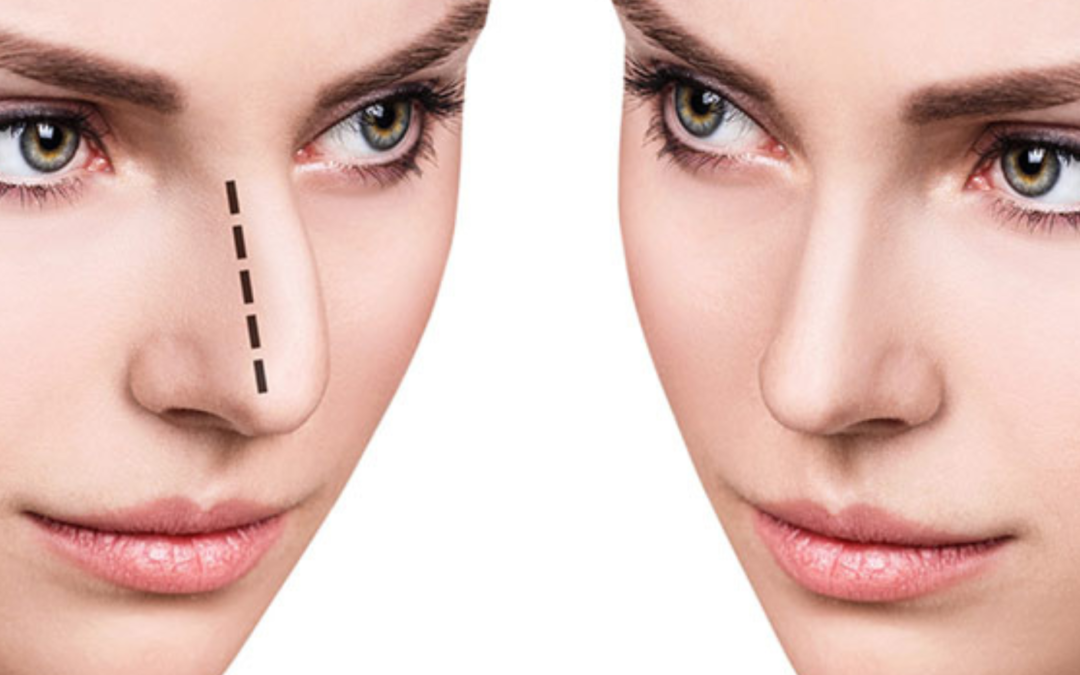
- Non-surgical rhinoplasty: The use of dermal fillers to reshape and enhance the appearance of the nose.
- Laser eye treatments: Various non-surgical laser procedures for vision correction, such as LASIK.
These are just some examples of the many non-surgical treatments available. It's essential to consult with a qualified medical professional to determine the most suitable treatment for your specific needs and goals, as well as to discuss potential risks and benefits.
by Dr. Ahmad | Aug 1, 2023 | Beauty News, Non-surgical facial aesthetics
Non-surgical facial aesthetics, also known as non-surgical facial rejuvenation or non-surgical facial treatments, refer to a set of cosmetic procedures aimed at enhancing and rejuvenating the face without the need for surgery. These procedures focus on improving the appearance of the skin, reducing the signs of aging, and enhancing facial features, all through non-invasive or minimally invasive techniques. The goal is to achieve a more youthful, balanced, and aesthetically pleasing facial appearance.
Some common non-surgical facial aesthetic treatments include:
- Dermal fillers: These are injectable substances, often made from hyaluronic acid, that can add volume to areas of the face, smooth out wrinkles and lines, and enhance facial contours.
- Botulinum toxin (Botox): Injections of a purified toxin to temporarily relax facial muscles, reducing the appearance of wrinkles and fine lines, particularly in the forehead, between the eyebrows (glabellar lines), and around the eyes (crow's feet).
- Chemical peels: A chemical solution is applied to the skin to remove the outermost layer, promoting skin regeneration and improving skin texture and tone.
- Microdermabrasion: A non-invasive exfoliation technique that removes dead skin cells and stimulates collagen production, leading to a smoother complexion.
- Laser treatments: The use of laser technology to address various skin concerns, such as sunspots, pigmentation issues, acne scars, and fine lines.
- Platelet-rich plasma (PRP) therapy: This involves using a patient's own blood plasma, rich in growth factors, to stimulate collagen production and improve skin texture and elasticity.
- Thread lifting: Dissolvable threads are inserted under the skin to lift sagging facial tissues and promote a more youthful appearance.
- Non-surgical facelifts: A combination of various non-surgical procedures tailored to lift and tighten the skin, providing a rejuvenated look without the need for surgery.
- Ultrasound or radiofrequency treatments: These methods use energy to stimulate collagen production and improve skin firmness and tightness.
Non-surgical facial aesthetics have gained popularity due to their relatively quick procedures, minimal downtime, and natural-looking results. However, it's essential to seek treatment from a qualified and experienced medical professional to ensure that the procedures are performed safely and effectively, taking into consideration the individual's facial anatomy and specific aesthetic goals.

by Dr. Ahmad | Aug 1, 2023 | Beauty News, non surgical aesthetics
Non-surgical aesthetics, also known as non-invasive aesthetics or minimally invasive aesthetics, refers to a range of cosmetic procedures that aim to enhance one's appearance without the need for surgery. These procedures typically involve minimal downtime, fewer risks, and lower costs compared to traditional surgical options. They have become increasingly popular in recent years as they offer quick, effective, and relatively less invasive alternatives for people seeking aesthetic improvements.
Some common non-surgical aesthetic procedures include:
- Dermal fillers: Injectables made from hyaluronic acid or other substances that are used to fill wrinkles, lines, and add volume to areas like the cheeks or lips.
- Botulinum toxin (Botox): Injections of a purified toxin that temporarily paralyze facial muscles to reduce the appearance of wrinkles and fine lines, particularly in the forehead and around the eyes.
- Chemical peels: The application of a chemical solution to the skin, which exfoliates and helps improve the texture and appearance of the skin.
- Microdermabrasion: A mechanical exfoliation technique that removes dead skin cells, improving skin texture and promoting a more youthful appearance.
- Laser treatments: The use of focused light energy to address various skin issues, such as pigmentation problems, acne scars, and skin tightening.
- Ultrasound or radiofrequency treatments: These methods use heat to stimulate collagen production and improve skin firmness and elasticity.
- Cryolipolysis (CoolSculpting): A non-invasive fat reduction procedure that freezes and eliminates fat cells in targeted areas.
- Laser hair removal: Using laser technology to permanently reduce hair growth in specific areas of the body.
- Thread lifting: The insertion of dissolvable threads under the skin to lift and tighten sagging skin.
It's important to note that while non-surgical aesthetic procedures can provide significant improvements, they are not permanent solutions, and maintenance treatments may be required to sustain the results. As with any cosmetic procedure, it's essential to consult with a qualified and experienced medical professional before undergoing any non-surgical aesthetic treatment to ensure that it is suitable for your individual needs and goals.
by london | Jul 19, 2023 | Dr. Ahmad
Introduction:
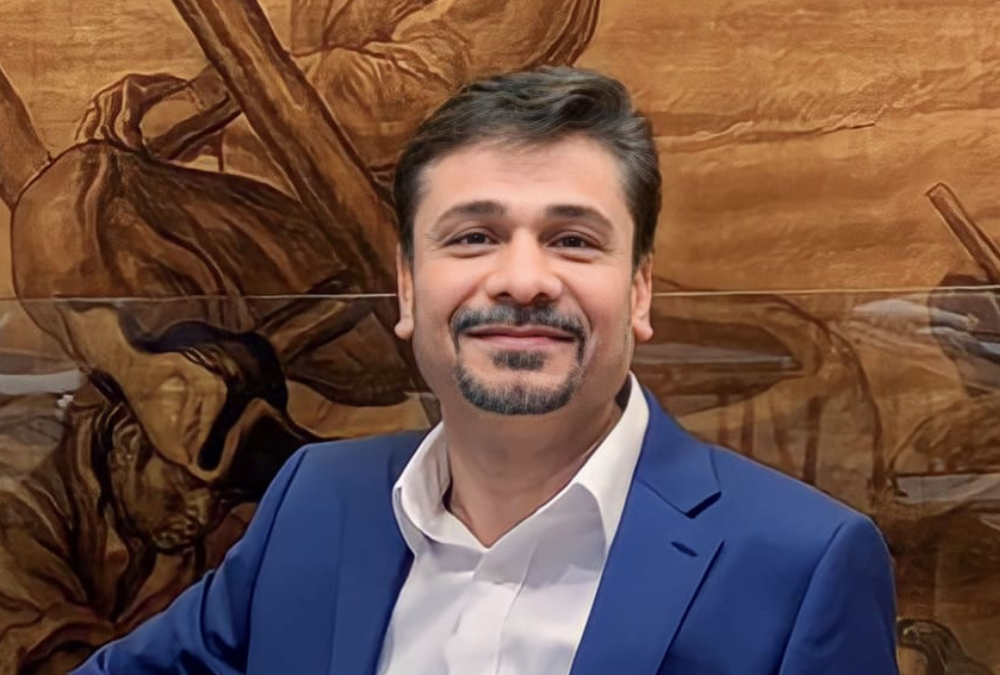
In the bustling metropolis of London, where the pursuit of beauty and wellness is of paramount importance, one name stands out amongst the rest - Dr. Ahmad. As the driving force behind London Medical and Aesthetics, he has earned a well-deserved spot on the list of the best Aesthetic doctors in the UK. With a blend of exceptional skills, a commitment to patient care, and a passion for cutting-edge treatments, Dr. Ahmad has become a revered figure in the field of aesthetic medicine.
A Journey of Excellence:
Dr. Ahmad's journey into the world of aesthetics began with a profound desire to help individuals boost their self-confidence and enhance their natural beauty. Armed with a medical degree from a prestigious institution, he delved into various medical disciplines, refining his expertise and honing his craft. However, it was the allure of aesthetic medicine that truly captured his heart, as it provided him with the opportunity to blend medical knowledge with artistic creativity.
Advancing Aesthetic Medicine:
At the helm of London Medical and Aesthetics, Dr. Ahmad has been instrumental in advancing the field of aesthetic medicine in the UK. He is a firm believer in staying at the forefront of advancements, constantly seeking out the latest research, technologies, and techniques. This dedication to continuous learning ensures that his patients receive treatments that are not only safe but also deliver unparalleled results.
Aesthetic Virtuoso:
Dr. Ahmad's artistic eye and keen attention to detail set him apart as an aesthetic virtuoso. Whether he is performing non-surgical procedures such as dermal fillers, chemical peels, or Botox injections, or offering more comprehensive treatments like laser resurfacing and body contouring, his patients can be assured of receiving personalized care and results that look natural and harmonious with their features.
Tailored Patient Experience:
One of the hallmarks of Dr. Ahmad's practice is his emphasis on personalized care. He recognizes that every patient is unique, with their own aesthetic goals and concerns. As a result, he takes the time to thoroughly understand his patients' desires and expectations before crafting a customized treatment plan that aligns with their needs. This tailored approach not only ensures the best possible results but also fosters a sense of trust and comfort between Dr. Ahmad and his patients.
Empathy and Compassion:
Beyond his exceptional skills as a medical professional, Dr. Ahmad is revered for his compassionate demeanor. He understands that aesthetic procedures can be a deeply personal and vulnerable experience for many individuals. As such, he goes above and beyond to create a warm and welcoming environment for his patients, putting them at ease throughout their journey. His empathy and genuine care have earned him a reputation as a doctor who listens intently and supports his patients every step of the way.
Patient Safety First:
While aesthetics is a creative field, Dr. Ahmad never compromises on safety. The wellbeing of his patients remains his top priority. He strictly adheres to industry standards and best practices, ensuring that each procedure is performed with precision and meticulous attention to detail. Dr. Ahmad's commitment to patient safety has earned him the trust and respect of his peers and patients alike.
The Joy of Transformation:
For Dr. Ahmad, witnessing the transformative power of his work is the most rewarding aspect of his profession. He takes immense pride in seeing his patients' self-confidence soar as they achieve their aesthetic goals. It is this sense of fulfillment that fuels his passion and drives him to constantly push the boundaries of his capabilities.
Conclusion:
Dr. Ahmad's journey as a leading Aesthetic doctor in the UK is a testament to his unwavering commitment to excellence, patient-centered care, and continuous pursuit of knowledge. At London Medical and Aesthetics, he has created a haven where individuals can embark on their aesthetic journey with confidence and trust. Through his artistic virtuosity and compassionate approach, Dr. Ahmad has not only earned his place on the list of the best Aesthetic doctors in the UK but also in the hearts of his grateful patients.

by Dr. Ahmad | Jul 14, 2023 | Health & Fitness, Healthy Life
Introduction:
we will be learning how to live longer and be healthy by implementing the habits of healthy people and people who live over 100 years old! In our quest for a healthy and fulfilling life, we often seek the advice of experts who can guide us toward optimal well-being. Dr. Ahmad, a renowned practitioner at London Medical and Aesthetics, has unveiled the top 10 secrets followed by 100% healthy individuals. These secrets encompass physical, mental, and emotional aspects, offering a holistic approach to overall wellness. In this blog, we will explore these secrets and learn how to incorporate them into our lives for a healthier future.
1. Prioritize Balanced Nutrition:
Healthy individuals understand the importance of nourishing their bodies with wholesome food. They prioritize a balanced diet rich in fruits, vegetables, whole grains, lean proteins, and healthy fats. Dr. Ahmad emphasizes the significance of consuming foods packed with essential nutrients to support the body's overall functions.
2. Healthy People always do Regular Exercise:
Exercise is a cornerstone of a healthy lifestyle. Engaging in regular physical activity, whether it's cardio, strength training, or yoga, keeps the body fit, promotes cardiovascular health, boosts metabolism, and enhances mood. Dr. Ahmad advises finding an exercise routine that suits your preferences and committing to it consistently.
3.Healthy People take Quality Sleep:
Adequate and restful sleep is vital for physical and mental well-being. Healthy individuals prioritize a consistent sleep schedule, create a sleep-friendly environment, and practice relaxation techniques before bedtime. Dr. Ahmad suggests aiming for 7-9 hours of uninterrupted sleep each night for optimal health benefits.
4. Stress Management:
Stress can take a toll on both our mental and physical health. Healthy individuals employ various stress management techniques such as meditation, deep breathing exercises, engaging in hobbies, or seeking professional help when needed. Dr. Ahmad highlights the importance of finding healthy coping mechanisms to combat stress effectively.
5. Hydration:
Staying hydrated is crucial for maintaining optimal bodily functions. Healthy individuals make it a habit to drink an adequate amount of water throughout the day. Dr. Ahmad advises aiming for at least 8 glasses of water daily and adjusting the intake based on individual needs and physical activity levels.
6. Mindful Eating:
Healthy individuals practice mindful eating, paying attention to their body's hunger and fullness cues. They avoid distractions while eating and savor each bite, fostering a healthier relationship with food. Dr. Ahmad suggests mindful eating as a powerful tool to prevent overeating and promote healthier food choices.
7. Regular Health Check-ups:
Preventive healthcare plays a significant role in maintaining optimal health. Healthy individuals schedule regular check-ups with their healthcare providers to monitor their overall well-being and address any potential issues proactively. Dr. Ahmad recommends annual physical exams, screenings, and vaccinations to stay on top of one's health.
8. Social Connections:
Healthy individuals prioritize nurturing positive relationships and fostering social connections. Strong social ties contribute to mental well-being and provide support during challenging times. Dr. Ahmad encourages building a network of friends, family, and community involvement to cultivate a sense of belonging.
9. Time for Self-Care:
Self-care is essential for maintaining a healthy balance in life. Healthy individuals recognize the importance of taking time for themselves, engaging in activities that bring joy, and prioritizing self-care rituals. Dr. Ahmad suggests incorporating activities like reading, taking baths, or pursuing hobbies to recharge and rejuvenate.
10. Positive Mindset:
A positive mindset is a powerful tool for overall well-being. Healthy individuals cultivate optimism, practice gratitude, and maintain a positive outlook on life. Dr. Ahmad highlights the benefits of positive thinking, which can enhance mental health, improve resilience, and promote a healthier lifestyle overall.
Conclusion:
Achieving and maintaining optimal health requires a multifaceted approach that encompasses physical, mental, and emotional well-being. Dr. Ahmad's top 10 secrets revealed provide valuable insights into the habits and practices followed by 100% healthy individuals. By incorporating these secrets into our lives, we can embark on a journey toward a healthier and more fulfilling future. Remember, small changes can yield significant results, so let's embrace these secrets and prioritize our well-being today