
by london | Aug 13, 2023 | Beauty News, non surgical treatments
Achieving an aesthetic and rejuvenated appearance through non-surgical treatments requires a combination of understanding your goals, consulting with professionals, and following a personalized treatment plan. Here's a step-by-step guide to help you get started:
- Identify Your Goals: Determine the specific aspects of your face that you would like to enhance or address. This could include improving skin texture, reducing wrinkles, enhancing volume, or addressing specific concerns like acne scars or pigmentation.
- Consult with a Professional: Schedule a consultation with a licensed dermatologist, cosmetic surgeon, or skincare specialist who has experience in non-surgical treatments. They will assess your facial structure, skin type, and concerns to recommend the most appropriate treatments.
- Customized Treatment Plan: Based on your consultation, the professional will create a personalized treatment plan that may involve a combination of different non-surgical treatments to achieve your desired results.
- Common Non-Surgical Aesthetic Treatments: Depending on your goals, your treatment plan might include a combination of the following treatments:
- Dermal Fillers: Used to restore volume and smooth out wrinkles or creases.
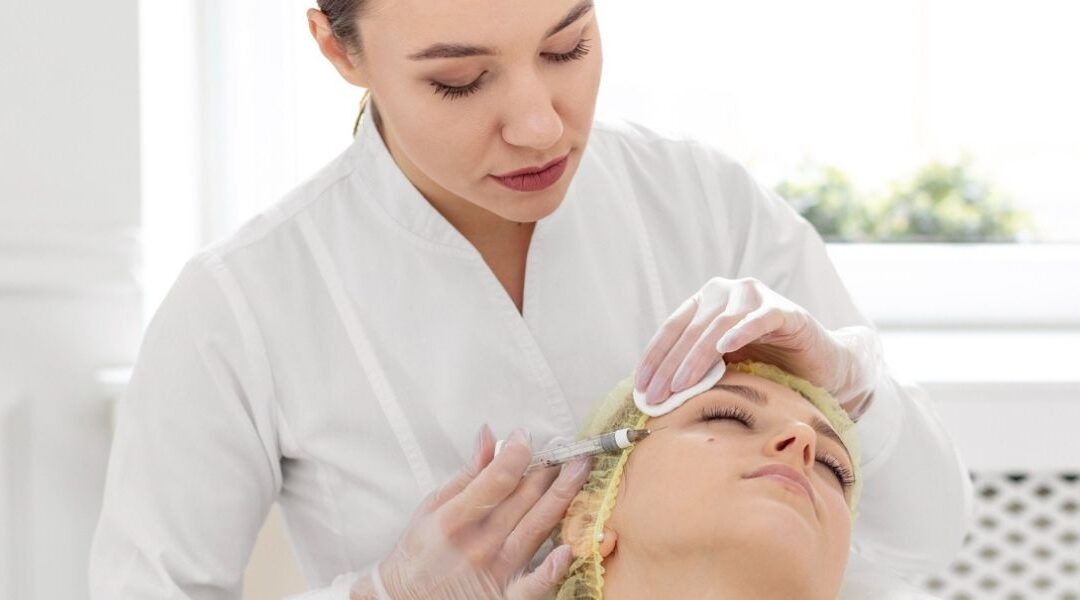
- Neuromodulators (Botox, Dysport): Used to relax muscles that cause wrinkles and lines.
- Chemical Peels: Improve skin texture and reduce pigmentation irregularities.
- Microdermabrasion: Exfoliates the skin and improves its texture.
- Microneedling: Stimulates collagen production and improves skin texture.
- Laser and Light Therapies: Address pigmentation issues, wrinkles, and skin tightening.
- Radiofrequency Treatments: Improve skin laxity and stimulate collagen production.
- Ultherapy: Non-surgical ultrasound treatment for skin tightening.
- PRP (Platelet-Rich Plasma) Therapy: Used for facial rejuvenation and skin renewal.
- Treatment Sessions: Follow the treatment plan recommended by the professional. Some treatments may require multiple sessions spaced over time to achieve optimal results.
- Aftercare and Maintenance: Follow any post-treatment instructions provided by your specialist. Depending on the treatments, you may need to avoid sun exposure, use specific skincare products, and attend follow-up appointments.
- Healthy Lifestyle: Maintain a healthy lifestyle with a balanced diet, regular exercise, proper hydration, and a consistent skincare routine to support the effects of the treatments.
- Realistic Expectations: Keep in mind that non-surgical treatments can enhance your natural features and improve your appearance, but they may not provide the same level of transformation as surgical procedures. Have realistic expectations about what these treatments can achieve.
- Continued Consultations: Schedule follow-up consultations with your skincare professional to assess your progress and make any necessary adjustments to your treatment plan.
Remember, every individual's needs and goals are unique. Working closely with a qualified professional will ensure that you receive safe and effective non-surgical treatments tailored to your specific situation.
by london | Aug 13, 2023 | Beauty News, non surgical treatments
There are countless aesthetic treatments available, and new ones may emerge over time as technology advances and research progresses. Here are some common aesthetic treatments along with their names:
There are numerous non-surgical skincare treatments available to address various skin concerns and improve skin health. These treatments aim to enhance skin appearance, texture, and overall quality without the need for surgery. Below are some common non-surgical skincare treatments:
- Chemical Peels:
- Glycolic Acid Peels
- Salicylic Acid Peels
- Lactic Acid Peels
- TCA Peels (Trichloroacetic Acid)
- Mandelic Acid Peels
- Fruit Enzyme Peels
- Microdermabrasion:
- Diamond-tip Microdermabrasion
- Crystal Microdermabrasion
- Microneedling:
- Collagen Induction Therapy
- Automated Microneedling
- Laser and Light Therapies:
- Intense Pulsed Light (IPL) therapy
- LED Light Therapy
- Fractional Laser Resurfacing
- Non-ablative Laser Resurfacing
- Photofacial (IPL Photorejuvenation)
- Radiofrequency Treatments:
- Radiofrequency Microneedling (RF Microneedling)
- Thermage
- Ultherapy (ultrasound and radiofrequency)
- Cryotherapy:
- High-Frequency Treatments:
- High-Frequency Facial
- Acne Treatments
- Oxygen Facials:
- Ultrasound Treatments:
- Microcurrent Treatments:
- HydraFacial:
- Hydradermabrasion Treatment
- PRP (Platelet-Rich Plasma) Therapy:
- Vampire Facial (PRP Facial)
- Chemical Exfoliation:
- Enzyme Masks
- Alpha Hydroxy Acid (AHA) Masks
- Beta Hydroxy Acid (BHA) Masks
- Injectables:
- Dermal Fillers (e.g., Juvederm, Restylane)
- Neuromodulators (e.g., Botox, Dysport)
- Kybella (for reducing double chin fat)
- Body Contouring:
- CoolSculpting (Cryolipolysis)
- Radiofrequency Lipolysis
- Hair Restoration:
- Hair Transplants (FUE, FUT)
- Low-Level Laser Therapy (LLLT) for hair loss
- Cosmetic Dentistry:
- Teeth Whitening
- Dental Veneers
- Orthodontic Treatments (Braces, Invisalign)
- Tattoo Removal:
- Non-Invasive Fat Reduction:
- Laser Skin Resurfacing:
- Cellulite Reduction:
- Thread Lifts:
- PDO Thread Lifts
- Silhouette InstaLift
- Ultherapy:
- Non-surgical ultrasound treatment for skin tightening
- Vaginal Rejuvenation:
These are just a few examples, and the aesthetic treatment landscape continues to evolve. It's important to consult with a qualified medical professional before undergoing any aesthetic treatment to ensure that it's appropriate for your individual needs and health profile.

by Dr. Ahmad | Aug 1, 2023 | Beauty News, non surgical treatments
Non-surgical treatments refer to a wide range of medical and cosmetic procedures that do not require surgical incisions or significant downtime. These treatments are typically minimally invasive or non-invasive, making them more accessible, quicker, and less risky than traditional surgical procedures. Non-surgical treatments are commonly used for various medical and aesthetic purposes. Here are some of the most common non-surgical treatments:
- Dermal fillers: Injectable substances, often based on hyaluronic acid, used to add volume, fill wrinkles and lines, and enhance facial features.
- Botulinum toxin (Botox): Injections that temporarily relax facial muscles, reducing the appearance of wrinkles and fine lines.
- Chemical peels: The application of a chemical solution to the skin to exfoliate and improve skin texture and tone.
- Microdermabrasion: A non-invasive exfoliation technique to remove dead skin cells and promote skin renewal.
- Laser treatments: The use of focused light energy for various purposes, such as hair removal, skin resurfacing, and treatment of pigmentation issues.
- Cryolipolysis (CoolSculpting): A non-invasive fat reduction procedure that freezes and eliminates fat cells in targeted areas.
- Ultrasound or radiofrequency treatments: Methods that use energy to stimulate collagen production and tighten the skin.
- Platelet-rich plasma (PRP) therapy: Using a patient's own blood plasma, rich in growth factors, to promote tissue regeneration and collagen production.
- Thread lifting: Dissolvable threads inserted under the skin to lift sagging facial or body tissues.
- Sclerotherapy: Injection of a solution into spider or varicose veins to collapse and fade them.
- Non-surgical facelifts: A combination of non-surgical procedures tailored to lift and tighten facial skin.
- Injectable fat-dissolving treatments: Injections that target and dissolve unwanted fat deposits in certain areas.
- Laser tattoo removal: The use of lasers to break down tattoo pigments for gradual fading and removal.
- Non-surgical rhinoplasty: The use of dermal fillers to reshape and enhance the appearance of the nose.
- Laser eye treatments: Various non-surgical laser procedures for vision correction, such as LASIK.
These are just some examples of the many non-surgical treatments available. It's essential to consult with a qualified medical professional to determine the most suitable treatment for your specific needs and goals, as well as to discuss potential risks and benefits.