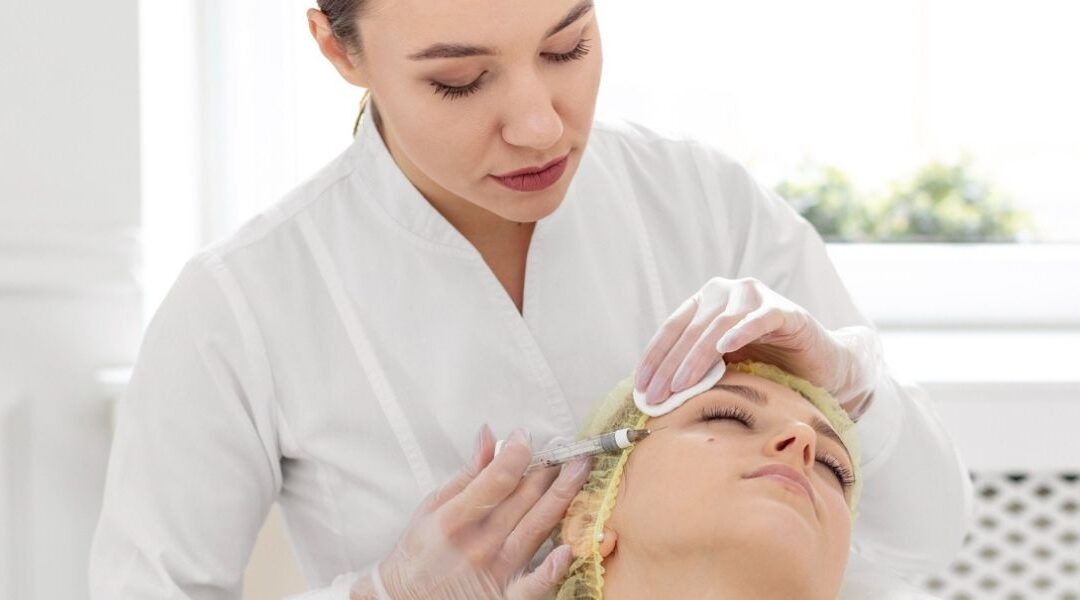
by london | Aug 13, 2023 | Beauty News, non surgical treatments
There are countless aesthetic treatments available, and new ones may emerge over time as technology advances and research progresses. Here are some common aesthetic treatments along with their names:
There are numerous non-surgical skincare treatments available to address various skin concerns and improve skin health. These treatments aim to enhance skin appearance, texture, and overall quality without the need for surgery. Below are some common non-surgical skincare treatments:
- Chemical Peels:
- Glycolic Acid Peels
- Salicylic Acid Peels
- Lactic Acid Peels
- TCA Peels (Trichloroacetic Acid)
- Mandelic Acid Peels
- Fruit Enzyme Peels
- Microdermabrasion:
- Diamond-tip Microdermabrasion
- Crystal Microdermabrasion
- Microneedling:
- Collagen Induction Therapy
- Automated Microneedling
- Laser and Light Therapies:
- Intense Pulsed Light (IPL) therapy
- LED Light Therapy
- Fractional Laser Resurfacing
- Non-ablative Laser Resurfacing
- Photofacial (IPL Photorejuvenation)
- Radiofrequency Treatments:
- Radiofrequency Microneedling (RF Microneedling)
- Thermage
- Ultherapy (ultrasound and radiofrequency)
- Cryotherapy:
- High-Frequency Treatments:
- High-Frequency Facial
- Acne Treatments
- Oxygen Facials:
- Ultrasound Treatments:
- Microcurrent Treatments:
- HydraFacial:
- Hydradermabrasion Treatment
- PRP (Platelet-Rich Plasma) Therapy:
- Vampire Facial (PRP Facial)
- Chemical Exfoliation:
- Enzyme Masks
- Alpha Hydroxy Acid (AHA) Masks
- Beta Hydroxy Acid (BHA) Masks
- Injectables:
- Dermal Fillers (e.g., Juvederm, Restylane)
- Neuromodulators (e.g., Botox, Dysport)
- Kybella (for reducing double chin fat)
- Body Contouring:
- CoolSculpting (Cryolipolysis)
- Radiofrequency Lipolysis
- Hair Restoration:
- Hair Transplants (FUE, FUT)
- Low-Level Laser Therapy (LLLT) for hair loss
- Cosmetic Dentistry:
- Teeth Whitening
- Dental Veneers
- Orthodontic Treatments (Braces, Invisalign)
- Tattoo Removal:
- Non-Invasive Fat Reduction:
- Laser Skin Resurfacing:
- Cellulite Reduction:
- Thread Lifts:
- PDO Thread Lifts
- Silhouette InstaLift
- Ultherapy:
- Non-surgical ultrasound treatment for skin tightening
- Vaginal Rejuvenation:
These are just a few examples, and the aesthetic treatment landscape continues to evolve. It's important to consult with a qualified medical professional before undergoing any aesthetic treatment to ensure that it's appropriate for your individual needs and health profile.

by london | Aug 11, 2023 | Beauty News
In the UK, administering Botox (Botulinum toxin) injections for cosmetic purposes is considered a prescription-only medical procedure. This means that only qualified medical professionals, such as doctors, dentists, and nurse prescribers, are allowed to administer Botox injections for cosmetic use.
If you are a non-medical professional, you are generally not allowed to administer Botox injections for cosmetic purposes in the UK. However, you may still be able to work in the aesthetics industry by providing other non-invasive skincare treatments and procedures that do not involve prescription medications or injections. To do so, you would typically need to pursue qualifications in beauty therapy or aesthetics, as mentioned in the previous responses.
It's important to emphasize that regulations and requirements can change over time, and it's advisable to seek the most up-to-date information from reputable sources and relevant authorities in the UK. If you're interested in pursuing a career in aesthetics or providing specific treatments, it's a good idea to research and consult with professional organizations and regulatory bodies to ensure that you are in compliance with the law and industry standards.
Why is it called aesthetics?
The term "aesthetics" originates from the Greek word "aisthēsis," which means perception, sensation, or the process of sensory perception. In philosophy, aesthetics refers to the study of beauty, art, and sensory experiences. The term has been widely used to discuss matters of taste, perception, and the appreciation of art and beauty.
In the context of the beauty and skincare industry, the term "aesthetics" is used to describe treatments and practices that focus on enhancing and improving the appearance and health of the skin. Aestheticians provide various skincare treatments, facials, and procedures aimed at promoting healthy skin, addressing skin concerns, and enhancing the overall visual appeal.
The use of the term "aesthetics" in this context emphasizes the sensory and visual aspects of the treatments, as well as the appreciation for healthy and radiant skin. It aligns with the broader philosophical notion of aesthetics, which is concerned with how humans perceive and appreciate beauty and sensory experiences.
Overall, the term "aesthetics" is used to convey the idea of enhancing and improving the visual and sensory qualities of the skin, reflecting both the historical roots of the term and its application in the field of beauty and skincare.
What is the short form of aesthetician?
The short form of "esthetician" is often written as "esthetician" or "aesthetician." These terms are already relatively short, so there isn't a widely recognized abbreviation for them. In professional and casual communication, it's common to use the full term to refer to someone who specializes in skincare treatments and procedures.

by london | Aug 11, 2023 | Beauty News
To become an aesthetician in the UK, you typically need to obtain specific qualifications and meet certain requirements. The qualifications required can vary depending on the specific treatments you plan to offer and the regulations of the region you intend to work in. Here's a general overview of the qualifications and steps you might need to take:
- Education and Training: To become an aesthetician, you should complete a formal education and training program in beauty therapy or aesthetics. Look for courses that are accredited by relevant industry bodies, such as the British Association of Beauty Therapy and Cosmetology (BABTAC) or the Federation of Holistic Therapists (FHT). These programs often include both theoretical and practical training in skincare treatments, facials, chemical peels, waxing, and other relevant procedures.
- Qualifications: The most common qualification for aestheticians in the UK is the Level 2 and Level 3 Beauty Therapy Diploma. This diploma covers a wide range of beauty treatments, including those related to aesthetics. Some training programs may also offer specialized courses or modules specifically focused on aesthetics.
- Licensing and Registration: In the UK, there is no specific government-mandated licensing for aestheticians. However, you may need to register with your local council if you plan to offer certain treatments, such as piercing or electrolysis. Additionally, some insurance providers may require you to hold certain qualifications and certifications to obtain liability insurance.
- Insurance: Obtaining liability insurance is highly recommended for anyone working in the beauty and aesthetics industry. Insurance provides protection in case of any unexpected issues or accidents during treatments.
- Continuing Professional Development (CPD): The beauty and aesthetics industry is constantly evolving, with new techniques, products, and regulations. Engaging in continuous professional development by attending workshops, seminars, and staying updated on industry trends is important to maintain your skills and knowledge.
- Optional Advanced Qualifications: While not always required, you might consider pursuing advanced qualifications or certifications in specific areas of aesthetics, such as laser treatments, microblading, or advanced skincare procedures. These additional qualifications can enhance your expertise and allow you to offer a wider range of services.
- Health and Safety Regulations: As an aesthetician, you'll also need to be well-versed in health and safety regulations and practices to ensure the well-being of your clients and yourself.
It's important to note that the qualifications and requirements can vary depending on the specific region within the UK. Regulations may also change over time, so it's advisable to check with local authorities and industry associations for the most up-to-date information and guidance.
by Dr. Ahmad | Aug 1, 2023 | Beauty News, surgical and nonsurgical
The main difference between surgical and nonsurgical procedures lies in the approach used to achieve the desired outcome. These differences can be summarized as follows:
Invasiveness:
- Surgical procedures are invasive, meaning they involve making incisions into the body, tissues, or organs to access the targeted area and make changes. The surgeon physically manipulates the tissues during the procedure.
- Non-surgical procedures are non-invasive or minimally invasive, which means they do not require incisions or significant tissue manipulation. Instead, they are often performed through the skin's surface using needles, injections, or external energy sources (e.g., lasers).
Anesthesia:
- Surgical procedures typically require the use of general or local anesthesia to ensure the patient remains pain-free and unconscious or sedated during the operation.
- Non-surgical procedures often use topical or local anesthesia or no anesthesia at all, as they are usually less painful and less traumatic to the body.
Downtime and Recovery:
- Surgical procedures generally involve longer downtime and recovery periods due to the invasive nature of the surgery. Patients may need weeks or months to heal fully and resume their regular activities.
- Non-surgical procedures usually have minimal to no downtime, and patients can often return to their daily activities immediately or shortly after the treatment.
Risks and Complications:
- Surgical procedures carry inherent risks associated with anesthesia, wound healing, infection, scarring, and other potential complications related to the surgical process.
- Non-surgical procedures have fewer inherent risks and complications due to their non-invasive or minimally invasive nature. However, they are not entirely risk-free, and potential side effects can still occur.
Results:
- Surgical procedures often provide more significant and long-lasting results, especially for complex or extensive changes to the body or facial structure.
- Non-surgical procedures typically offer more subtle and temporary results, requiring periodic maintenance treatments to sustain the effects.
Cost:
- Surgical procedures are generally more expensive than non-surgical procedures due to the complexity, specialized equipment, and longer recovery times involved.
- Non-surgical procedures tend to be more affordable since they do not require a surgical setting or general anesthesia.
Examples of surgical procedures include facelifts, breast augmentation, liposuction, and open-heart surgery. Non-surgical procedures include Botox injections, dermal fillers, laser hair removal, chemical peels, and many others.
It's crucial to consult with a qualified medical professional to determine the most appropriate treatment option based on individual needs, health conditions, and desired outcomes.

by Dr. Ahmad | Aug 1, 2023 | Beauty News, non surgical treatments
Non-surgical treatments refer to a wide range of medical and cosmetic procedures that do not require surgical incisions or significant downtime. These treatments are typically minimally invasive or non-invasive, making them more accessible, quicker, and less risky than traditional surgical procedures. Non-surgical treatments are commonly used for various medical and aesthetic purposes. Here are some of the most common non-surgical treatments:
- Dermal fillers: Injectable substances, often based on hyaluronic acid, used to add volume, fill wrinkles and lines, and enhance facial features.
- Botulinum toxin (Botox): Injections that temporarily relax facial muscles, reducing the appearance of wrinkles and fine lines.
- Chemical peels: The application of a chemical solution to the skin to exfoliate and improve skin texture and tone.
- Microdermabrasion: A non-invasive exfoliation technique to remove dead skin cells and promote skin renewal.
- Laser treatments: The use of focused light energy for various purposes, such as hair removal, skin resurfacing, and treatment of pigmentation issues.
- Cryolipolysis (CoolSculpting): A non-invasive fat reduction procedure that freezes and eliminates fat cells in targeted areas.
- Ultrasound or radiofrequency treatments: Methods that use energy to stimulate collagen production and tighten the skin.
- Platelet-rich plasma (PRP) therapy: Using a patient's own blood plasma, rich in growth factors, to promote tissue regeneration and collagen production.
- Thread lifting: Dissolvable threads inserted under the skin to lift sagging facial or body tissues.
- Sclerotherapy: Injection of a solution into spider or varicose veins to collapse and fade them.
- Non-surgical facelifts: A combination of non-surgical procedures tailored to lift and tighten facial skin.
- Injectable fat-dissolving treatments: Injections that target and dissolve unwanted fat deposits in certain areas.
- Laser tattoo removal: The use of lasers to break down tattoo pigments for gradual fading and removal.
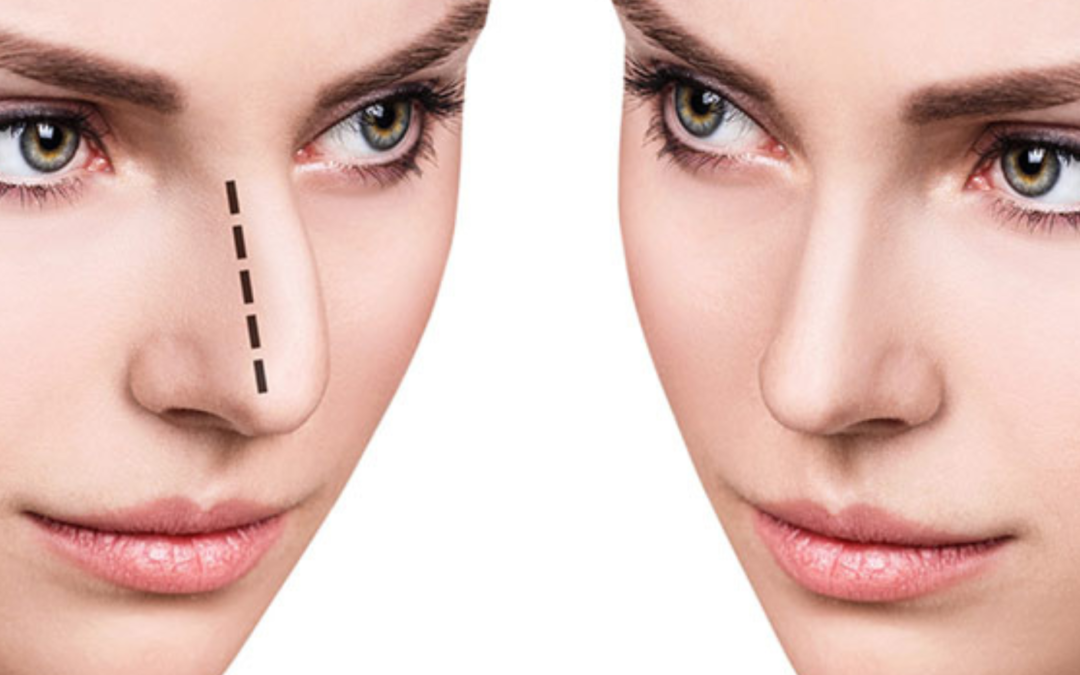
- Non-surgical rhinoplasty: The use of dermal fillers to reshape and enhance the appearance of the nose.
- Laser eye treatments: Various non-surgical laser procedures for vision correction, such as LASIK.
These are just some examples of the many non-surgical treatments available. It's essential to consult with a qualified medical professional to determine the most suitable treatment for your specific needs and goals, as well as to discuss potential risks and benefits.